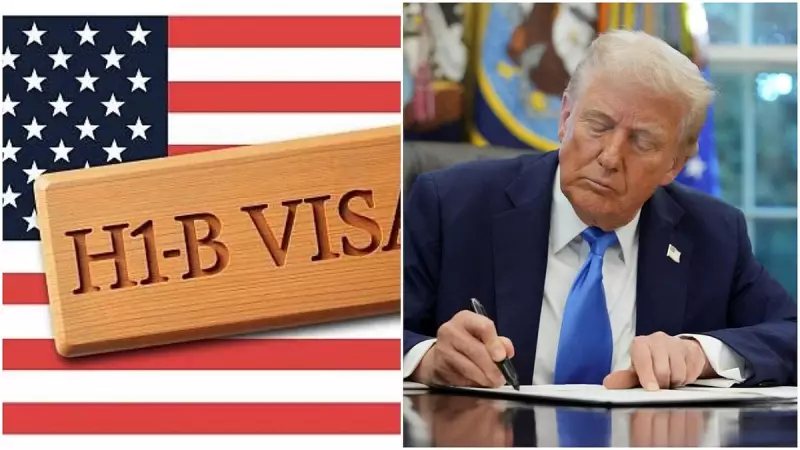
The United States has implemented a fundamental change in how it selects petitions for the coveted H-1B work visa, shifting from a random lottery to a system that prioritizes applicants with higher skill levels and higher wage offers. This new guidance, announced on 24 December 2025, represents the latest move in a series of stricter immigration measures.
A Shift from Random Chance to Merit-Based Selection
For years, the H-1B visa process relied on a computer-generated lottery when the number of applications exceeded the annual cap. This new system dismantles that approach. Instead, it will rank and select petitions based primarily on the salary level being offered to the foreign professional. The core principle is straightforward: petitions for higher-skilled positions that command higher wages will receive priority over those for lower-wage roles.
This change is positioned by authorities as a way to better protect the economic interests of American workers and to ensure that the H-1B program is used to attract "the best and the brightest" global talent. The move aligns with the Trump administration's intensifying crackdown on both legal and illegal immigration, a policy stance that has been a consistent hallmark of its tenure.

Implications for US Corporations and Indian Professionals
The H-1B visa is a critical tool for corporations in the United States, especially in the technology and engineering sectors, to hire specialized foreign talent from countries like India. The new system creates a clear incentive for companies to file petitions for more senior, specialized, and highly compensated roles. Entry-level positions offering lower salary grades will face significantly stiffer odds of selection.
For Indian professionals, who have historically been the largest recipients of H-1B visas, this policy shift creates a new landscape. It rewards advanced degrees, specialized experience, and high-demand skills that command top-tier salaries. Recent graduates or those applying for mid-to-lower wage positions may find the path to an H-1B visa considerably more challenging under this revised framework.
The Broader Immigration Context and Future Outlook
This revision to the H-1B selection process is not an isolated action. It is part of a broader suite of policies aimed at tightening all avenues of immigration. The administration has consistently argued that certain visa programs have been exploited to undercut American wages and displace domestic workers.
The immediate effect will be a redistribution of visa approvals towards more experienced and highly paid foreign workers. Companies will need to adjust their hiring and compensation strategies for international candidates. While the stated goal is to prioritize higher-skilled individuals, critics may argue it could disadvantage smaller companies and startups that cannot compete with the salary scales of tech giants. The long-term impact on innovation and the global competitiveness of the U.S. tech industry remains a key point of observation following this decisive policy change.