US Commander Raises Alarm Over Indo-Pacific Security Threats
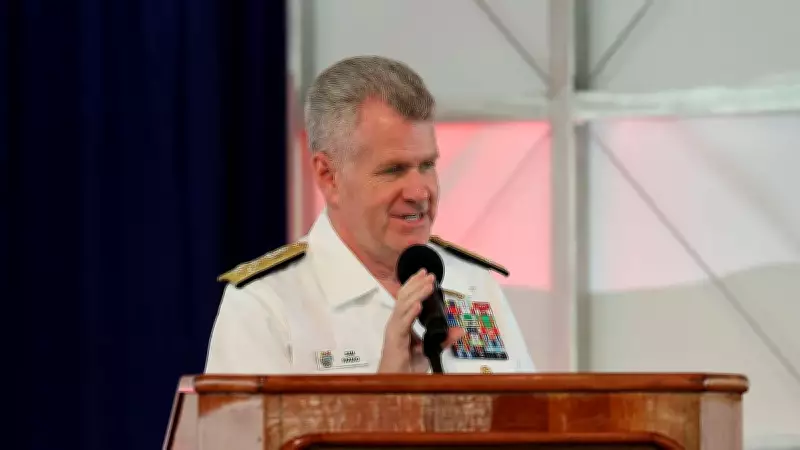
In a recent development, a senior US military commander has voiced significant apprehensions regarding the escalating tensions in the Indo-Pacific region. During an interaction with a small group of journalists, the commander highlighted a troubling trend of rising 'coercion' and 'aggression' that is destabilizing the area.
Indirect Reference to China's Military Posturing
The commander's remarks, while not naming any specific country, were widely interpreted as an indirect reference to China's ongoing military muscle-flexing in the Indo-Pacific. This includes increased naval patrols, territorial claims, and assertive actions that have raised alarms among regional stakeholders and global powers alike.
The commander emphasized that such behavior poses a serious threat to peace and stability in the region. He pointed out that the Indo-Pacific, a critical hub for global trade and security, is witnessing a surge in activities that undermine international norms and rules-based order.

Growing Concerns Over Regional Dynamics
The interaction shed light on the broader geopolitical implications of these developments. The US commander's concerns align with ongoing efforts by various nations to address security challenges in the Indo-Pacific. Key points discussed include:
- The need for enhanced diplomatic and military cooperation among allied nations.
- Strategies to counter coercive tactics that threaten freedom of navigation and regional sovereignty.
- The importance of maintaining a balance of power to prevent further escalation of conflicts.
This warning comes at a time when the Indo-Pacific is at the center of global strategic attention, with multiple countries increasing their military presence and engagements in the area. The commander's statements underscore the urgency for collective action to address these security threats and promote a stable environment for economic growth and international relations.
As tensions continue to simmer, the international community is closely monitoring the situation, with calls for dialogue and de-escalation to prevent any potential flashpoints from erupting into larger conflicts. The US commander's remarks serve as a stark reminder of the fragile state of affairs in one of the world's most vital regions.