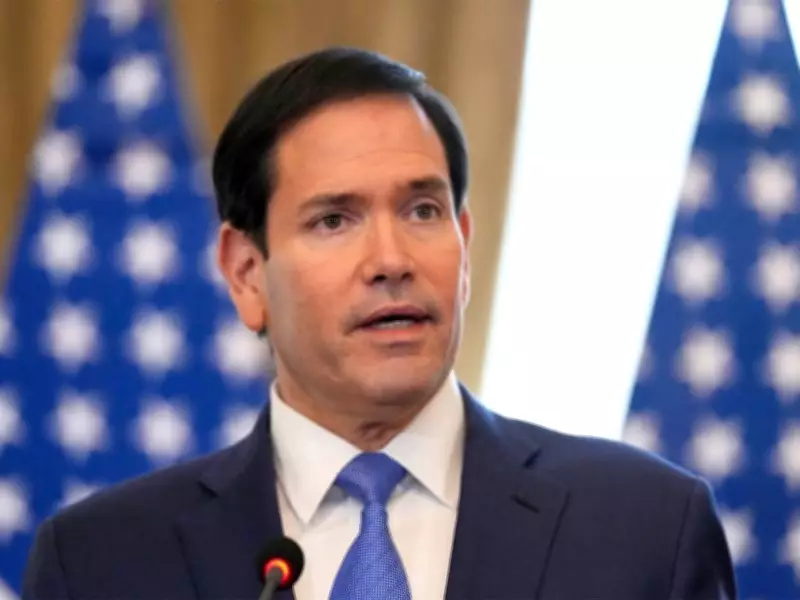
US Secretary of State Marco Rubio Defends Military Action Against Iran's Conventional Shield
In a significant development, US Secretary of State Marco Rubio has publicly defended a recent military strike targeting Iran's conventional shield, describing it as the "last best chance" to avert further escalation in the region. This statement comes amid heightened tensions between the United States and Iran, with the US administration emphasizing the necessity of the action to safeguard national security and regional stability.
Rationale Behind the Strike
According to Secretary Rubio, the strike was a preemptive measure aimed at dismantling Iran's conventional military capabilities, which have been perceived as a growing threat. He argued that this move was crucial to prevent Iran from expanding its influence and potentially launching aggressive actions against US allies or interests. The conventional shield refers to Iran's network of military assets, including missile systems and defensive installations, which are seen as a barrier to US strategic objectives in the Middle East.
Rubio stressed that diplomatic efforts had been exhausted, leaving military action as the only viable option to address the imminent danger. He highlighted that the strike was carefully calibrated to minimize civilian casualties while effectively degrading Iran's military infrastructure. This approach, he claimed, aligns with US policy of maintaining a strong deterrent posture against adversarial nations.

Regional and Global Implications
The strike has sparked widespread reactions from the international community, with some allies expressing support for the US stance, while others, including regional powers, have voiced concerns about potential retaliation and further instability. Iran has condemned the action as an act of aggression, vowing to respond in kind, which raises fears of a broader conflict in an already volatile region.
Analysts note that this development could reshape US-Iran relations, potentially leading to increased military confrontations or, conversely, opening new avenues for dialogue under pressure. The US administration's justification of the strike as a "last best chance" underscores the high stakes involved, as failure to act, according to Rubio, could have resulted in more severe consequences for global security.
Future Outlook and Diplomatic Efforts
Looking ahead, Secretary Rubio indicated that the US remains committed to diplomatic engagement with Iran, but only if Tehran demonstrates a willingness to de-escalate and adhere to international norms. He called on Iran to cease its support for proxy groups and halt its military buildup, which he described as destabilizing factors in the region.
- The strike is seen as a test of US resolve in countering Iranian influence.
- It may influence upcoming negotiations and sanctions policies.
- Regional allies are monitoring the situation closely for potential spillover effects.
In conclusion, the defense of the strike by US Secretary of State Marco Rubio highlights the complex dynamics at play in US-Iran relations. By framing it as the "last best chance," the US aims to justify its actions while signaling a firm stance against perceived threats. The coming weeks will be critical in determining whether this move leads to renewed tensions or paves the way for a more stable diplomatic resolution.