

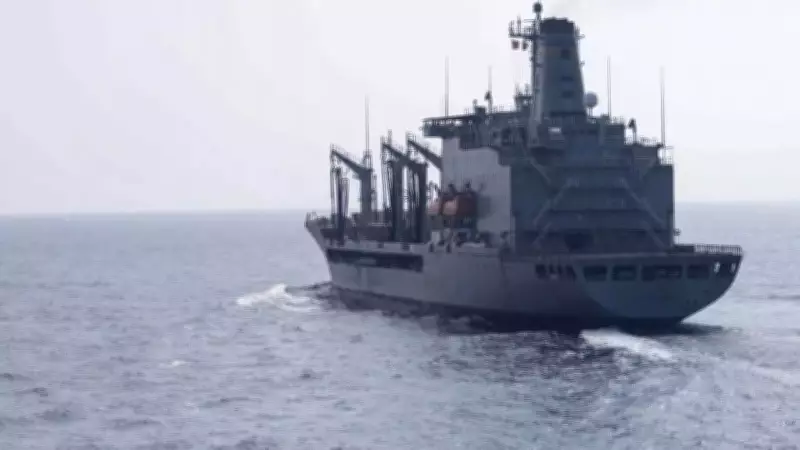
White House Corrects False Claim About US Navy Escort in Strait of Hormuz
A statement from a US official claiming the American Navy had escorted an oil tanker through the volatile Strait of Hormuz was swiftly deleted and later clarified as incorrect by the White House, causing significant fluctuations in global oil markets. The incident highlights the tense situation in the Middle East, where the strategic waterway remains a focal point of ongoing conflict.
Deleted Post and Market Volatility
Energy Secretary Chris Wright posted on social media platform X, stating, "The US Navy successfully escorted an oil tanker through the Strait of Hormuz to ensure oil remains flowing to global markets." This boastful announcement was deleted just minutes after publication, but not before it triggered sharp movements in oil prices. Initially, prices dropped sharply on the news, only to recover some losses after the post was removed, demonstrating the market's sensitivity to developments in the region.
Official Clarifications and Denials
The White House moved quickly to set the record straight. Press Secretary Karoline Leavitt confirmed at a briefing, "I can confirm that the US Navy has not escorted a tanker or a vessel at this time, though of course that's an option." An Energy Department spokesperson explained that the video clip was deleted because it was incorrectly captioned by staff. Meanwhile, Iran's Revolutionary Guards strongly rejected the claim, calling it a "pure falsehood" and asserting that no US Navy vessel had dared to approach the strait.

Strategic Importance of the Strait
The Strait of Hormuz is a critical chokepoint for global energy supplies, with nearly one-fifth of the world's oil production passing through it. Since the conflict escalated, Tehran has warned that none of this oil would be exported from the Gulf while hostilities continue. Data from maritime organizations indicates heightened risks:
- At least 10 oil tankers were struck, targeted, or reported attacks in or near the strait between March 1 and March 10.
- More than 20 commercial vessels have crossed the strait since March 2, with some turning off transponders to hide their locations.
- Before the war, an average of 138 ships passed through daily, underscoring its vital role in global trade.
Impact on Oil Prices and Global Markets
Crude oil prices have experienced extreme volatility due to fears of supply disruptions from the Middle East crisis. On one day, prices surged nearly 30 percent to around $120 per barrel before retreating. Comments from US officials about the war's potential end have added to the uncertainty, with prices falling after such statements, even as military actions intensify. The conflict has already seen attacks on oil depots in Iran and energy infrastructure in Gulf states, previously considered safe havens.
Broader Context of US Policy
The Trump administration has attempted to reassure global markets by offering reinsurance to shipping companies and proposing US Navy escorts for tankers. However, this recent incident shows the challenges in managing communications during a crisis. The rapid shift from a bold claim to a correction reflects the delicate balance between projecting strength and maintaining factual accuracy in a highly charged geopolitical environment.






