In a significant policy shift, the administration of former US President Donald Trump has initiated steps to bar foreign fact-checkers and content moderators from entering the United States. The move targets individuals believed to have engaged in what the administration terms the censorship of free speech of American citizens.
State Department Directive on Visa Denials
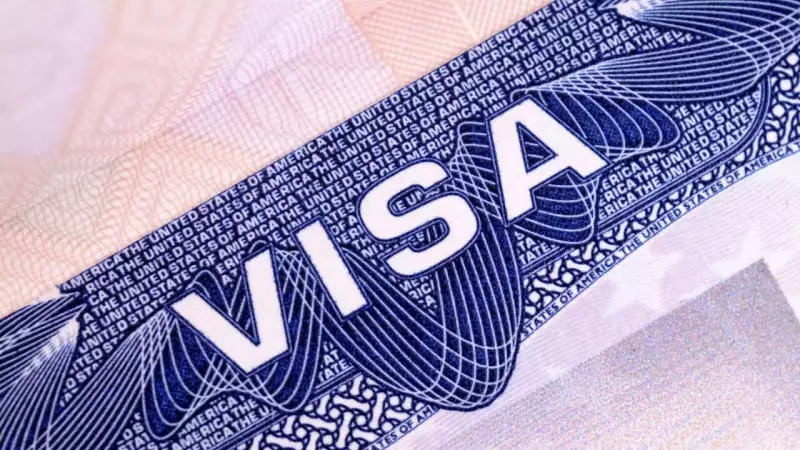
The US State Department sent a confidential memo to its overseas missions this week, instructing consular officers to refuse visas to applicants found responsible for, or complicit in, censorship or attempted censorship of protected expression within the US. This directive, first reported by NPR and Reuters, marks a formal attempt to prevent foreign nationals from working in roles that could limit American online speech.
A State Department spokesperson, while acknowledging the document was leaked, did not dispute its authenticity. The spokesperson framed the action as a defence of American freedoms. "The Administration has made clear that it defends Americans' freedom of expression against foreigners who wish to censor them. We do not support aliens coming to the United States to work as censors muzzling Americans," the official stated.

Trump's Personal Experience Cited as Justification
The spokesperson directly linked the policy to President Trump's own experiences with social media platforms. They emphasized that the President was a "victim of this kind of abuse" when his accounts were locked and stated his desire to prevent other Americans from suffering similarly. Trump's Twitter and Facebook accounts were permanently banned following the January 6, 2021, Capitol riot in Washington DC.
"Allowing foreigners to lead this type of censorship would both insult and injure the American people," the spokesperson added, underlining the administration's stance.
Who Falls Under the Enhanced Scrutiny?
The memo calls for enhanced vetting of visa applicants whose professional backgrounds include areas like "misinformation, disinformation, content moderation, fact-checking, compliance and online safety." Consular officials are specifically told to deny applications from anyone who has worked on fact-checking or content moderation activities that the administration views as censorship of American speech.
To identify such individuals, officers have been instructed to meticulously examine applicants' work history, LinkedIn profiles, and other social media accounts. They are also to look for media mentions of activities involving "combatting misinformation, disinformation or false narratives, content moderation, compliance, and trust and safety."
The guidance is clear: if evidence suggests an applicant was engaged in censorship activities, the officer "should pursue a finding that the applicant is ineligible (for a visa)." This places a broad range of professionals in the tech and media sectors under potential scrutiny for their past work.
Global Implications and Chilling Effect
This policy, enacted in the final days of the Trump administration, sets a precedent for using visa eligibility as a tool in geopolitical debates over online speech and platform governance. It directly impacts the global talent pool for major US-based tech companies and could create a chilling effect, deterring professionals worldwide from taking on roles in content policy and safety. The move underscores the deepening conflict between government authorities and social media giants over the rules governing public discourse on digital platforms.