

US Anticipates Swift Conclusion to Iran Military Campaign, Rules Out Ground Troop Deployment
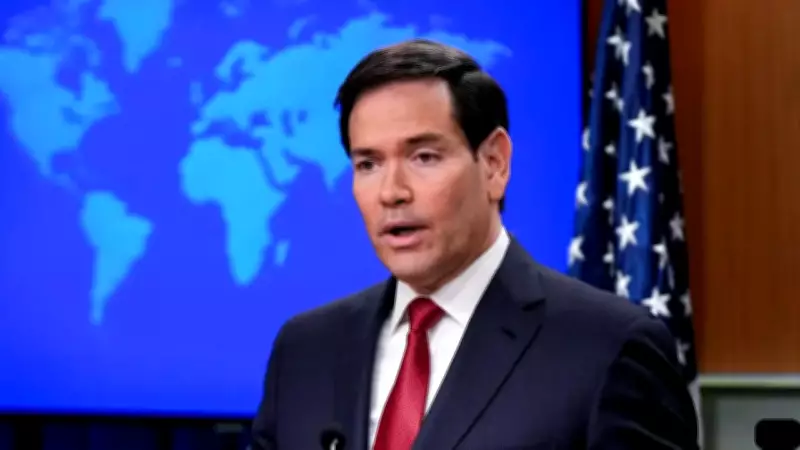
In a significant development, the United States has projected that its ongoing military operations against Iran will reach their conclusion within a timeframe of "weeks, not months." Secretary of State Marco Rubio, addressing the media on Friday following discussions with G7 counterparts in France, emphasized that Washington aims to achieve its strategic objectives without the necessity of deploying ground forces into the region.
Rubio Outlines Timetable and Strategic Posture
Rubio articulated that the US military campaign is currently "on or ahead of schedule" and is expected to wrap up at an appropriate juncture in the near future. He clarified that while additional troops are being dispatched to the Middle East, this move is primarily intended to provide President Donald Trump with enhanced flexibility and options to adapt to emerging contingencies, rather than signaling an escalation into a prolonged ground conflict.
"We are on or ahead of schedule in that operation, and expect to conclude it at the appropriate time here - a matter of weeks, not months," Rubio stated, underscoring the administration's confidence in a relatively swift resolution.

Conflict Escalation and Regional Impact
The remarks from the top US diplomat come amid a widening of hostilities across the Middle East. A recent Iranian missile and drone strike targeted the Prince Sultan airbase in Saudi Arabia, resulting in injuries to twelve American personnel, two of whom sustained serious wounds, and causing damage to military equipment, as confirmed by a US official to Reuters.
Initiated on February 28 with coordinated US and Israeli airstrikes, the conflict has severely disrupted global energy supplies, particularly through the critical Strait of Hormuz. This vital maritime chokepoint facilitates the transit of nearly 20 million barrels of oil daily, and Iran's capacity to threaten shipping lanes has injected considerable volatility into oil and commodity markets worldwide.
Diplomatic Maneuvers and International Concerns
Rubio revealed that discussions with G7 foreign ministers also encompassed the potential risk of Iran imposing shipping tolls through the Strait of Hormuz even after hostilities cease. He suggested that European and Asian nations, which benefit significantly from this route, should contribute to efforts aimed at ensuring free and secure passage for vessels.
Despite the deployment of additional US forces, including thousands of Marines and airborne troops, President Trump has indicated a desire to wind down the war and pursue diplomatic avenues. Trump has asserted that Iran is engaged in negotiations with the US and is "begging" for a deal, although officials in Tehran have refuted claims of any direct talks currently underway.
Proposals, Strikes, and Lingering Threats
US Special Envoy Steve Witkoff noted that Washington anticipates a prompt response to a 15-point proposal designed to end the conflict. This proposal includes demands related to Iran's nuclear and missile programs. Concurrently, fresh strikes have been reported across Iran, targeting nuclear-related facilities and industrial sites. Iranian authorities have assured that no radiation leaks occurred following attacks on a yellowcake uranium facility, a claim corroborated by the International Atomic Energy Agency.
Human and Economic Toll
The conflict has exacted a heavy human and economic price. More than 1,900 individuals have lost their lives in Iran, while global oil prices have surged, with Brent crude exceeding $112 per barrel. In the United States, escalating fuel prices have exacerbated inflation concerns. US intelligence assessments indicate that only approximately one-third of Iran's missile arsenal has been destroyed, suggesting the country retains substantial strike capabilities.
Regional Calls for Long-Term Solutions
As the war persists, Gulf countries have advocated for any eventual peace agreement to incorporate long-term restrictions on Iran's missile and drone capabilities. They also emphasize the need for robust safeguards to prevent future disruptions to global energy supplies, highlighting the broader international stakes involved in resolving the crisis.






