

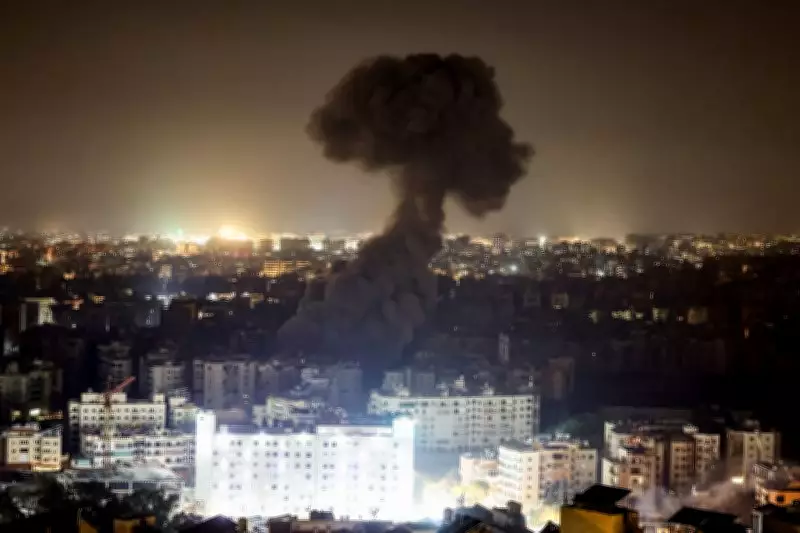
US Military Action Targets Tehran Rally Amid Heightened Tensions
A significant explosion rocked Iran's capital, Tehran, on Friday, striking an area crowded with demonstrators participating in the annual Quds Day event. This gathering, which supports the Palestinian cause, saw thousands of people chanting slogans such as "death to Israel" and "death to America." Iranian state television reported the incident, which occurred as the United States intensified its military involvement in the region.
Trump's Provocative Statements Escalate Rhetoric
US President Donald Trump amplified the tensions by posting a new threat on his Truth Social website. He declared, "They’ve been killing innocent people all over the world for 47 years, and now I, as the 47th President of the United States of America, am killing them." Trump added, "What a great honour it is to do so!" This statement underscores the escalating verbal and physical confrontations between the two nations.
Military Operations and Strategic Targets
US Defence Secretary Pete Hegseth confirmed that more than 15,000 enemy targets have been struck in recent operations. This aggressive military posture highlights the broader scope of the conflict, extending beyond isolated incidents to systematic engagements aimed at weakening Iranian influence and capabilities in the region.

Global Economic Implications of the Conflict
Concerns are mounting over the war's stranglehold on Gulf oil exports, which is destabilising the global economy. Iran has maintained a tight grip on shipping through the Strait of Hormuz, a critical chokepoint for oil transportation. As a result, Brent crude oil, the international benchmark, has remained persistently above $100 per barrel. This price surge threatens to exacerbate inflation and economic instability worldwide, affecting industries and consumers alike.
Regional and International Reactions
The strike in Tehran and the ongoing military actions have sparked fears of a wider regional conflict, potentially drawing in other Middle Eastern nations and global powers. The situation remains fluid, with diplomatic efforts struggling to keep pace with the rapid escalation of hostilities. Observers warn that continued aggression could lead to further humanitarian crises and economic disruptions on a global scale.






