US House Approves Trump-Supported SAVE America Act in Narrow Vote
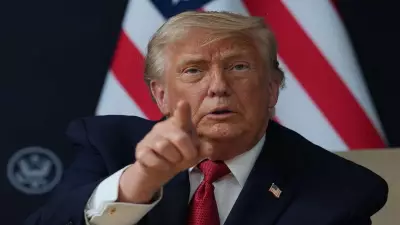
The Republican-controlled House of Representatives has passed the Safeguard American Voter Eligibility (SAVE) America Act, a significant election reform measure championed by President Donald Trump. The legislation cleared the chamber with a 218-213 vote, reflecting deep partisan divisions over voting procedures and eligibility requirements.
Partisan Divide and Lone Democratic Support
Voting on the bill followed strict party lines, with every Republican member supporting the measure and nearly all Democrats opposing it. The sole exception was Democratic Representative Henry Cuellar of Texas, who broke ranks to vote in favor of the legislation. This narrow margin underscores the contentious nature of election law debates in the current political climate.
Key Provisions of the SAVE America Act
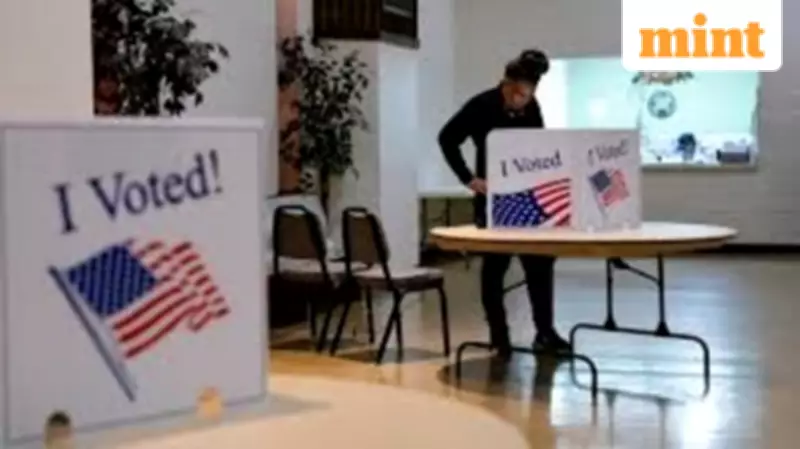
The central requirement of the SAVE America Act mandates that individuals must provide documented proof of US citizenship when registering to vote in federal elections. This represents an additional layer of verification beyond existing federal law, which already explicitly prohibits noncitizens from voting in federal elections under the Illegal Immigration Reform and Immigrant Responsibility Act of 1996.

According to analysis from the Bipartisan Policy Center, while both political parties agree that only eligible citizens should participate in federal elections, documented instances of noncitizens registering to vote remain exceptionally rare. The legislation would therefore introduce new paperwork requirements for voter registration, potentially affecting millions of American citizens seeking to exercise their voting rights.
Political Context and Next Steps
The passage of the SAVE America Act represents a major legislative victory for President Trump and Republican lawmakers who have prioritized election security measures. The bill now moves to the Senate, where its fate remains uncertain given the chamber's current composition and procedural rules.
Proponents argue the legislation is necessary to safeguard election integrity and prevent potential voter fraud, while opponents contend it creates unnecessary barriers to voting and could disproportionately affect certain demographic groups. The debate over the SAVE America Act is likely to continue as the legislation progresses through the legislative process.