US and Iran Commence Ceasefire Negotiations to Ease Regional Tensions
The United States and Iran have officially entered into ceasefire talks, marking a significant diplomatic effort to address escalating conflicts in the Middle East. These discussions are primarily centered on reducing hostilities in the strategic Strait of Hormuz, a vital maritime corridor for global oil shipments, which has been a flashpoint for recent naval confrontations.
Key Figures and Regional Dynamics
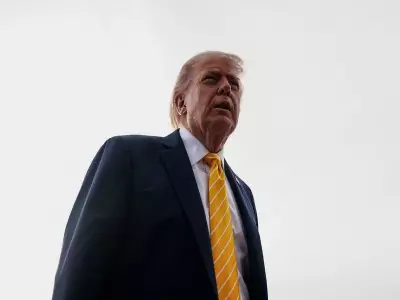
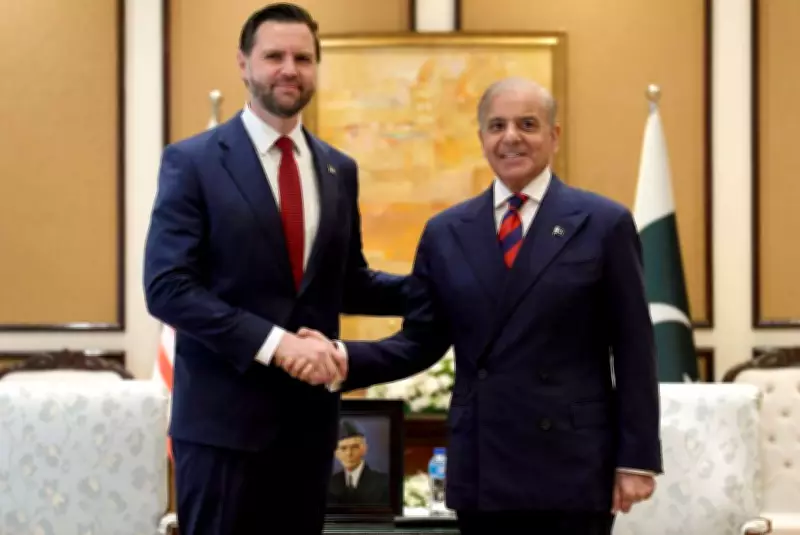
High-profile political figures, including former US President Donald Trump and Vice Presidential candidate JD Vance, have been vocal about the negotiations, emphasizing the need for stability. On the Iranian side, Mojtaba Khamenei, a prominent political figure, is actively involved, reflecting the regime's commitment to these talks. The involvement of these key players underscores the high stakes of the discussions, which aim to prevent further military escalations that could disrupt international trade and security.
Broader Implications for Middle East Conflicts
The ceasefire talks extend beyond bilateral issues, directly impacting neighboring conflicts involving Israel and Lebanon. Tensions along the Israel-Lebanon border have intensified, with both sides engaging in cross-border skirmishes that threaten to spiral into a larger conflict. The US-Iran negotiations are seen as a crucial step toward de-escalating these regional disputes, as Iran's influence in Lebanon through groups like Hezbollah plays a significant role in the dynamics.

Pakistan, a key regional actor, is closely monitoring the talks due to its geopolitical interests in the Middle East and its historical ties with both the US and Iran. The outcome of these negotiations could affect Pakistan's foreign policy and economic stability, particularly regarding energy imports through the Strait of Hormuz. Analysts suggest that Pakistan's stance may influence the broader diplomatic landscape, adding another layer of complexity to the discussions.
Challenges and Future ProspectsDespite the initiation of talks, significant challenges remain. Deep-seated mistrust between the US and Iran, compounded by years of sanctions and proxy conflicts, poses a major hurdle to achieving a lasting ceasefire. Additionally, the volatile situation in Israel and Lebanon requires careful navigation to avoid unintended escalations. Experts warn that while the talks represent a positive development, sustained diplomatic efforts and international cooperation will be essential to ensure long-term peace and stability in the region.

- Focus on de-escalation in the Strait of Hormuz to secure global oil routes.
- Involvement of political figures like Donald Trump and Mojtaba Khamenei.
- Impact on conflicts involving Israel and Lebanon, with Iran's regional influence at play.
- Pakistan's strategic monitoring and potential diplomatic role.
- Ongoing challenges due to historical tensions and regional volatility.