

US and Iran Exchange Threats as Trump Sets 48-Hour Deadline for Strait of Hormuz
In a dramatic escalation of hostilities, the United States and Iran have issued fresh, direct threats against each other's critical infrastructure, plunging global energy markets into turmoil. President Donald Trump has delivered a stark ultimatum to Tehran, demanding the immediate reopening of the strategically vital Strait of Hormuz within a 48-hour window. Failure to comply, Trump warned, would trigger devastating US strikes on Iran's power plants and energy facilities.
Iran's Retaliatory Stance and Attack on Israel
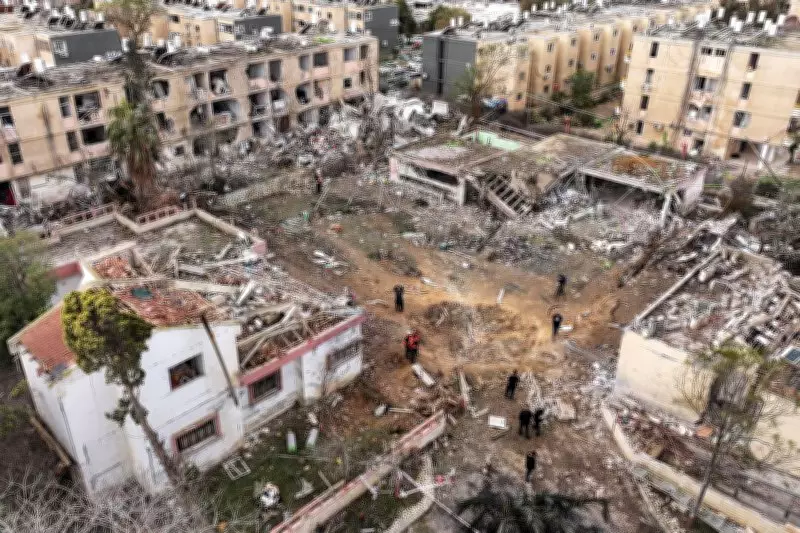
Iran responded swiftly and forcefully to Trump's threat, vowing through its army to target all US facilities across West Asia, including desalination plants and energy infrastructure. This declaration came via the Fars news agency, underscoring Tehran's readiness for a broader confrontation. The exchange follows a significant Iranian missile attack on southern Israel, which injured over 100 people in the Dimona area—a region home to a substantial Indian Jewish community. Israeli Prime Minister Benjamin Netanyahu has pledged retaliation "on all fronts," adding another layer of complexity to the regional conflict.
Military Buildup and Global Economic Impact
The timing of Trump's ultimatum coincides with a substantial US military reinforcement in the region. Approximately 2,200 Marines and sailors have been redeployed from Japan to the Arabian Sea aboard the USS Tripoli, accompanied by escort ships equipped with ground and aerial combat units. Additionally, another 2,200 Marines have departed from San Diego, accelerating the deployment of thousands of US troops to West Asia amid speculation of a potential ground incursion into Iranian territory.

Iran's effective closure of the Strait of Hormuz—a chokepoint for about one-fifth of global crude oil trade—has sent shockwaves through the world economy. Brent crude prices have surged above $105 per barrel, signaling long-term disruptions. A coalition of nations, including the UK, France, Italy, Germany, South Korea, Australia, the UAE, and Bahrain, has jointly condemned Iran's actions, labeling the strait's closure a destabilizing act.
International Reactions and Diplomatic Maneuvers
Japan, which relies on the strait for nearly 90% of its oil shipments, has indicated a willingness to consider military involvement for minesweeping operations if a ceasefire is achieved. Foreign Minister Toshimitsu Motegi stated that such measures could be explored hypothetically post-ceasefire. Meanwhile, the United Arab Emirates reported facing aerial attacks after Iran issued warnings against allowing strikes from its territory on disputed islands near the Strait of Hormuz.
This high-stakes standoff not only threatens to ignite a wider war but also poses severe risks to global energy security and economic stability, as world leaders scramble to de-escalate the crisis.






