The Rise of High-Intensity Masculinity Camps in America
A significant and growing demographic of men throughout the United States is now investing substantial sums—often reaching thousands of dollars—to enroll in rigorous, multi-day "masculinity camps." These intensive retreats explicitly promise profound personal transformation by deliberately subjecting participants to controlled hardship and emotional confrontation. Organizers market these experiences as a contemporary, essential rite of passage designed for the modern man.
Inside the Extreme Experience
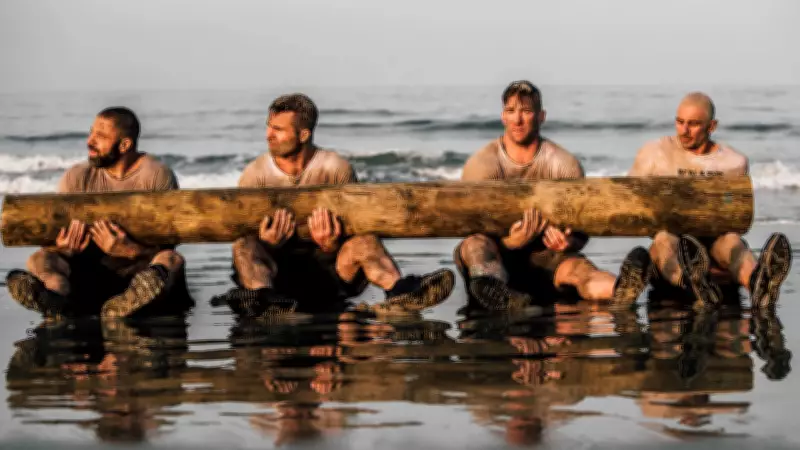
The core structure of these camps is intentionally extreme, blending severe physical suffering with deep psychological work. Over approximately 75 hours across three days, participants are systematically broken down and rebuilt. The regimen includes crawling through thick mud, enduring freezing cold exposure, performing bear crawls, carrying heavy logs, and completing demanding physical drills. This is frequently compounded by enforced sleep deprivation, strict military-style routines, and exposure to harsh environmental conditions.
Alongside the relentless physical strain, there is an equally intense focus on emotional and psychological confrontation. Facilitators guide group discussions where men openly address trauma, fear, and identity. Structured emotional breakdown exercises, journaling, and reflective sessions are core components, all aimed at forcing participants to confront their deepest internal struggles. The foundational philosophy posits that shared suffering exposes personal limits and creates the necessary conditions for authentic growth and resilience.

Prominent Programs and Geographic Hubs
One of the most notable programs is the Modern Day Knight Project, which operates from a private compound in Southern California. Similar camps are proliferating across the United States, often situated in remote desert landscapes, dense forests, private ranches, or specialized training facilities. States like California, Texas, and Colorado have emerged as key hubs, largely due to their varied and challenging terrains that facilitate outdoor, survival-style experiences. To cultivate an aura of exclusivity and high demand, many of these camps operate only a few times annually with strictly limited enrollment.
The Substantial Financial Investment
The price tag for this promised transformation varies dramatically. Entry-level retreats typically start around $3,000, while premium, high-end programs like the Modern Day Knight Project can command fees as high as $18,000. These costlier experiences are aggressively marketed as exclusive and selective, often requiring a formal application process. They are particularly targeted at entrepreneurs, corporate executives, and high-performing individuals seeking a radical personal or professional reset.
Beyond the base program fee, participants must also budget for significant additional expenses. These include travel to often-remote locations, purchasing specialized gear, preparatory costs, and optional follow-up coaching or membership fees for private alumni communities.
Profile of the Modern Participant
The demographic attending these camps is more diverse than stereotypes might suggest. While it includes former athletes and military veterans drawn to the physically demanding structure, a significant portion consists of business owners, corporate professionals, and individuals in leadership roles who feel a lack of discipline or focus. Many are men aged from their 20s to 50s who report feeling stuck, directionless, or are grappling with burnout, relationship issues, or mental health challenges that they believe traditional therapy has failed to address. Notably, interest is expanding globally, with participants now traveling from outside the United States to attend.
Philosophy and Psychological Appeal
Organizers frame these camps as a direct response to a perceived loss of structure, meaning, and traditional rites of passage in contemporary life. The core messaging emphasizes reclaiming discipline, leadership, and personal responsibility, with a focus on becoming better partners, fathers, and community leaders.

From a psychological perspective, several recognized factors explain the positive outcomes reported by many alumni. Intense physical exertion is known to improve mood and build resilience, while shared hardship within a group fosters powerful trust and camaraderie. The male-only environment can lower barriers to vulnerability, especially when openness is framed within a context of strength and collective challenge. Furthermore, completing structured, difficult tasks provides clear objectives and a tangible sense of achievement, which can be particularly impactful for individuals feeling adrift in their daily lives.
Criticism and Cultural Context
Despite many testimonials of transformation, these camps face considerable criticism. Detractors argue they charge exorbitant prices for activities resembling basic physical labor or advanced fitness training. Others question whether they perpetuate narrow, potentially outdated ideals of masculinity rather than fostering genuine, holistic personal development. Some critics dismiss the entire concept as simulated military training or an expensive form of self-help theater.
The emergence of these camps is not occurring in a vacuum; it reflects broader societal shifts. There is increasing public discourse around male loneliness, mental health struggles, and identity confusion in a rapidly changing world. These retreats tap directly into that cultural moment by offering a potent combination of structure, extreme challenge, and a sought-after sense of belonging. They exist at the unique intersection of fitness, therapy, life coaching, and personal development, signaling a wider evolution in how self-improvement is being pursued and monetized in the 21st century.