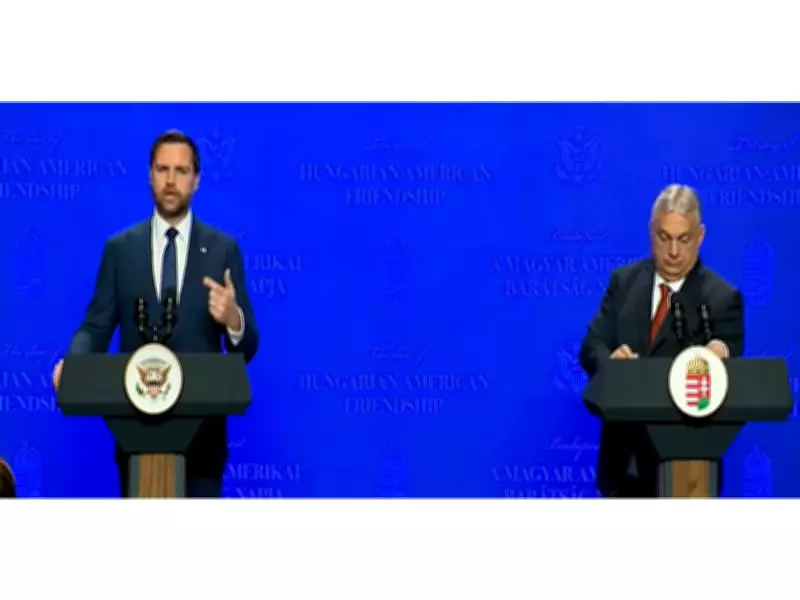
US Military Objectives in Iran Largely Achieved, Says Senator JD Vance
In a significant statement, US Senator JD Vance has declared that the United States has largely accomplished its military objectives in Iran. This assessment comes amid ongoing geopolitical tensions and strategic maneuvers in the Middle East, reflecting a pivotal moment in US foreign policy and defense strategy.
Strategic Successes and Regional Implications
Senator Vance, a prominent figure in American politics, emphasized that the US military efforts have yielded substantial results in countering Iranian threats and advancing national security interests. The achievements reportedly include the degradation of Iran's military capabilities, disruption of proxy activities, and enhanced deterrence against aggressive actions in the region.
Key aspects of these military objectives involve:

- Counterterrorism operations targeting Iranian-backed militias and extremist groups.
- Intelligence gathering and surveillance to monitor Iran's nuclear and missile programs.
- Diplomatic and economic pressure coordinated with military actions to curb Iran's influence.
Context of Ongoing Tensions
The statement by Senator Vance is set against a backdrop of persistent conflicts and diplomatic challenges involving Iran. Over recent years, the US has engaged in various military and strategic initiatives aimed at containing Iran's regional ambitions and ensuring stability in the Middle East. These efforts have included targeted strikes, sanctions enforcement, and alliances with regional partners.
Notably, the US military's role has evolved to address:
- Iran's support for non-state actors in countries like Syria, Iraq, and Yemen.
- Threats to international shipping lanes and energy security in the Persian Gulf.
- Broader geopolitical competition with Iran, including cyber and asymmetric warfare.
Political and Strategic Analysis
Senator Vance's remarks highlight a growing consensus among some US policymakers that military objectives in Iran have been met to a significant degree. This perspective may influence future US strategy, potentially shifting focus towards diplomatic engagement or other global priorities. However, experts caution that challenges remain, including Iran's continued regional activities and the complex dynamics of Middle Eastern politics.
The achievement of these objectives underscores the effectiveness of US military and intelligence operations, but it also raises questions about long-term stability and the need for sustained efforts to prevent escalation. As the situation develops, stakeholders will closely monitor Iran's responses and the broader implications for international security.