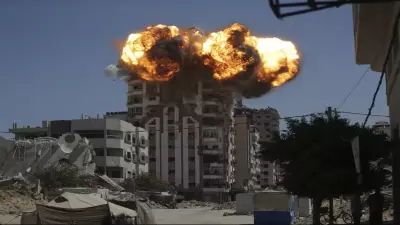
The United States has taken direct military action against Venezuela, marking a significant and dangerous escalation in the long-standing tensions between Washington and the government of President Nicolás Maduro. The operation, which involved a targeted strike, has sent shockwaves through the region and raised urgent questions about the future of diplomacy and conflict in Latin America.
The Operation: What Exactly Happened?
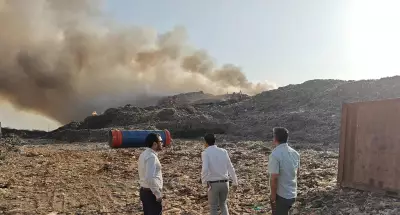
According to official statements, the US military conducted a precise strike on a strategic location within Venezuelan territory. The target was identified as a port facility, a critical node in the country's infrastructure. This was not a random act of aggression but a calculated move by the Biden administration, framed as a necessary response to an immediate threat.
The justification provided by US officials centers on the alleged presence of a Russian-made IL-76 cargo aircraft at the site. Washington claims this aircraft was being used to transport Iranian-manufactured weapons into Venezuela, potentially destabilizing the entire region. The core accusation is that the Maduro regime is facilitating the movement of advanced military hardware, thereby violating international norms and threatening US national security interests in its own hemisphere.

Roots of the Conflict: A History of Sanctions and Hostility
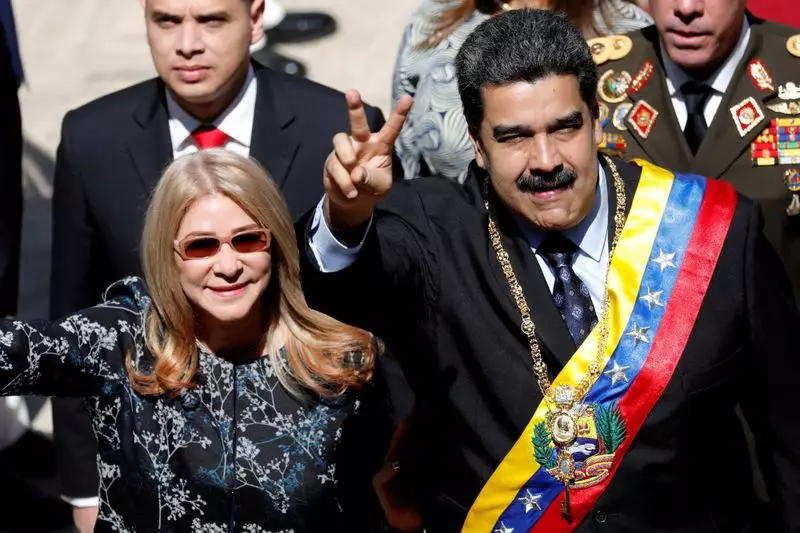
To understand this dramatic event, one must look at the deteriorating relationship over the past decade. The US has refused to recognize Nicolás Maduro's presidency since his controversial re-election in 2018, instead backing opposition leader Juan Guaidó as the legitimate interim president. This political stance has been backed by a relentless campaign of economic pressure.
The US has imposed crippling sanctions on Venezuela's vital oil industry, its primary source of revenue. These measures have severely hampered the country's ability to export crude oil and import essential goods, contributing to a profound humanitarian and economic crisis. For the US, sanctions were the primary tool to force a political change. For the Maduro government, they are an act of economic warfare. This latest military strike represents a drastic shift from financial coercion to kinetic action.
Global Reactions and the Path Forward
The international response has been sharply divided, mirroring the global geopolitical fissures. Unsurprisingly, Venezuela's key allies have condemned the attack in the strongest terms. Both Russia and Iran have accused the United States of blatant aggression and a violation of international law. They view the strike as an unlawful intervention in the sovereign affairs of a nation and a dangerous precedent.
Within Latin America, reactions are mixed but lean towards concern. While some regional governments critical of Maduro have been silent or cautious, others have expressed alarm at the US resorting to military force. The action risks further polarizing the continent and could trigger a new wave of instability.
The immediate consequences are multifaceted:
- Escalation Risk: The strike dramatically raises the stakes. Venezuela, with the backing of Russia and Iran, may feel compelled to respond, potentially leading to a wider conflict.
- Humanitarian Impact: The targeted infrastructure is likely to affect civilian logistics, potentially worsening the already dire humanitarian situation for the Venezuelan people.
- Diplomatic Fallout: Any remaining channels for dialogue between the US and Venezuela are now severely damaged, if not completely severed. The prospects for a negotiated solution appear more distant than ever.
This attack by the United States on Venezuelan soil is more than an isolated incident; it is a pivotal moment. It signifies the failure of sanctions to achieve their stated goal and the willingness of the Biden administration to employ military power in what it defines as its strategic backyard. The world now watches to see if this is a one-off warning shot or the opening chapter of a more direct and dangerous confrontation. The stability of Latin America hangs in the balance.