US Military's Digital Pivot: Recruiting Gen Z Through TikTok and Gaming Culture
For generations, the United States military has operated one of the world's most advanced propaganda apparatuses. Through Hollywood epics, patriotic advertising campaigns, and strategic cultural alliances, it has meticulously crafted the American public's perception of military service. The iconic 1986 film Top Gun serves as a prime example; it not only catapulted Tom Cruise to international stardom but also reportedly caused US Navy recruitment to skyrocket, with enlistment offices capitalizing on the film's popularity by setting up tables outside theaters. The glamorous, heroic portrayal of fighter pilots led to recruitment surges of up to 500%.
The Gen Z Recruitment Crisis
However, the traditional formula that worked for decades is faltering. Generation Z, unlike their predecessors, does not spend hours in cinemas watching fighter jets. Their world is digital, dominated by endless scrolling on TikTok, live streaming on Twitch, gaming on Discord, and following influencers on Instagram. The contemporary job market presents vastly different opportunities compared to just ten years ago. The rise of tech careers, content creation, and social media influencing offers the youth numerous alternatives to the conventional 9-to-5 grind or government positions.
Simultaneously, the military confronts significant hurdles. Stringent physical eligibility requirements, waning interest in military careers, and growing institutional skepticism have all contributed to multiple branches failing to meet their enlistment quotas. Compounding this is the serious issue of mental health among service members; Pentagon data indicates suicide rates among active-duty personnel surged by 40% between 2015 and 2020.

The numbers paint a stark picture of the crisis. In February 2023, the Pentagon disclosed that the US Army aimed to recruit 70,000 individuals in 2022. Yet, by June 2022, this target was reduced to 60,000, and by year's end, only 45,000 recruits had enlisted. For many young Americans today, the military is no longer a primary career consideration, especially when other industries promise flexible lifestyles, financial independence, and the potential for digital fame.
Entering the Digital Recruitment Metaverse
In response, the US military has pivoted to the internet, one of the most potent ecosystems influencing young people. Instead of waiting for Gen Z to visit recruitment offices, recruiters are now infiltrating the digital spaces where they already spend hours daily. According to a 2025 Pew Research study, Gen Z is most active on YouTube (93%), Instagram (76%), Facebook (68%), Snapchat (65%), and TikTok (59%). Business of Apps reports they average four hours daily on social networks for connection, multimedia consumption, gaming, and content sharing.
Recognizing this potential, the US military has launched official esports teams and gaming channels. Influencers and soldiers now share videos in true Gen-Z style, featuring activities like climbing ropes and walls and detailing daily tasks. While these may appear as casual social media content, they harbor a strategic core. The comment sections frequently buzz with questions about military training, education benefits, and available jobs, effectively transforming recruitment into an interactive conversation.
The Rise of the E-girl Recruiters
Modern internet culture heavily revolves around personalities who amass large online followings, with female influencers leading in certain social media spheres. Known as e-girls, they are adept at alternative fashion, makeup, and flirtation tactics, often posting what are termed thirst traps.

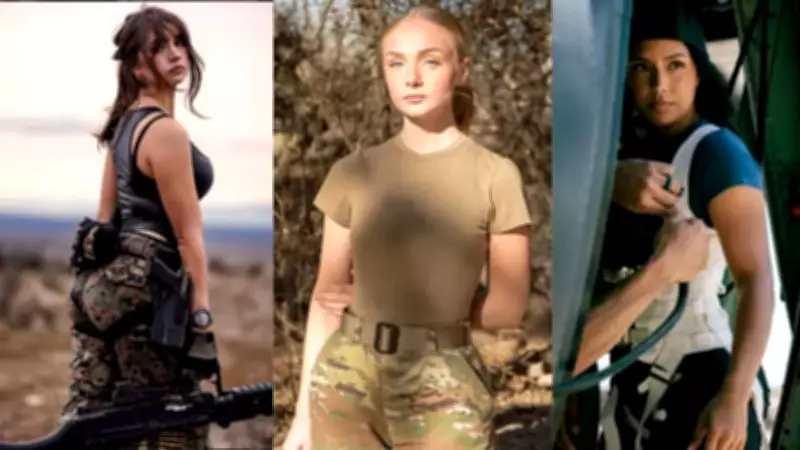
At the forefront of this recruitment drive is Hailey Lujan, a 21-year-old psychological operations specialist for the US Army. With 804,000 Instagram followers, she humorously critiques Army life while instructing viewers, Don't go to college, become a farmer or a soldier instead. Her role involves conducting influence and disinformation operations, and she skillfully leverages her femininity to attract teenagers to the institution. By making military life appear fun and enticing—showcasing activities like abseiling, firing howitzers, and flying Apache helicopters—she also subtly suggests the possibility of interacting with attractive individuals like herself.
Lujan has diversified her content through merchandise like calendars and t-shirts and an official website called Sike Ops. In a collaborative short film with a fellow military influencer, she portrays the pretty military bait, luring a hesitant young man into enlisting after he sees her enter a recruitment center. Another prominent figure is Juliana Keding, a military policewoman with over 940,000 followers who blends thirst traps with insights into army life. Similarly, US Force medic Rylee boasts more than 700,000 TikTok followers.
This content is not merely for entertainment; it is part of a sanctioned social duty. The official Air Force media guide encourages personnel to use social media to share their experiences, stating that such stories can inspire enlistment, support, morale, and correct misinformation. However, it cautions that sharing negative content could jeopardize careers.
From Camouflage to Content: A Multi-Platform Strategy
The military's propaganda efforts have expanded beyond social media, embedding subtly into pop culture. The Army sponsors gaming tournaments and maintains its own Esports team to recruit teens on platforms like Twitch. A soldier discussing daily life while playing Call of Duty often feels more relatable than a polished recruitment video.
Dr. Matthew Alford's 2017 book, National Security Cinema, revealed that the state has influenced over 2,000 film titles, including blockbusters like Iron Man and The Avengers, to shape public perception.
Effectiveness and Strategic Insights
Madison Bonzo, a US Army recruiting spokesperson, told The Guardian in August 2025 that collaborations with influencers enhance the Army's visibility, reach untapped audiences, and uniquely articulate service possibilities. By participating in immersive army experiences alongside real soldiers, these influencers provide firsthand insights into military life and the possibilities of army service, Bonzo explained.
The strategy appears effective. Since the start of fiscal 2026 in October, recruiting efforts are already off to a strong and promising start, with the Defense Department meeting nearly 40% of its delayed entry program goals. For fiscal 2025, the five service branches achieved an average of 103% of their recruiting targets, rebounding from recent challenges. While former US President Donald Trump credited an incredible spirit, data shows improvement began before his second term; in June 2024, the Army met its goal of 61,000 recruits four months early.
Jess Rauchberg, an assistant professor at Seton Hall University studying social media's cultural impact, notes this content is more than propaganda; it offers security in unstable times. A 2022 McKinsey & Company report found Gen Z is less financially secure, with 45% worried about job stability versus 40% of all respondents, and less able to cover living expenses if unemployed. The military is capitalising on this moment to say, 'Well, our numbers are down and Gen Z is hurting for jobs and stable lives,' Rauchberg stated. Working with creators promises stability, making military careers more appealing to youth seeking secure employment.