US Military Initiates Naval Blockade Against Iran in Strait of Hormuz
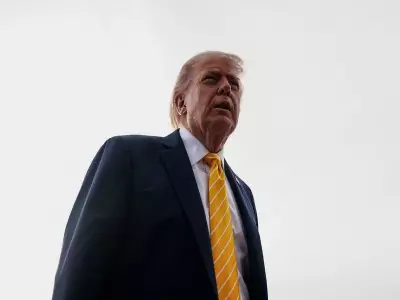
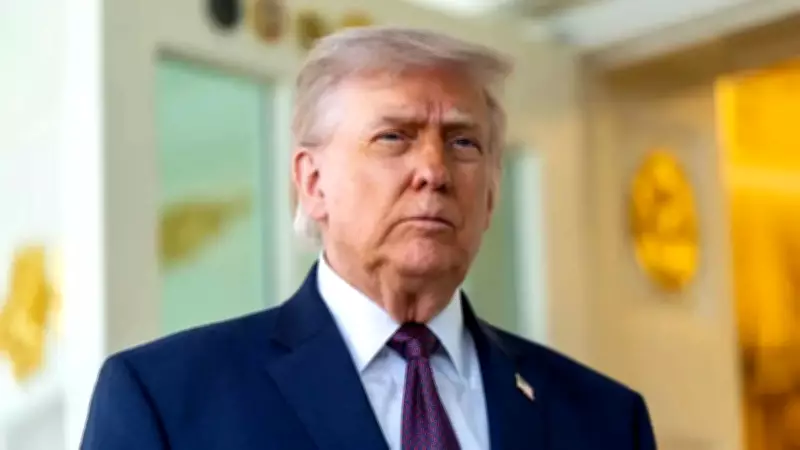
The United States military has announced the enforcement of a naval blockade targeting Iranian ports in the strategic Strait of Hormuz, effective from 10am EST on Monday (7.30pm IST). This move, ordered by President Donald Trump, specifically applies to vessels entering or departing Iranian ports, while ensuring free passage for ships heading to other Gulf nations such as the UAE, Qatar, and Saudi Arabia.
Iran's Strong Response and Escalating Threats
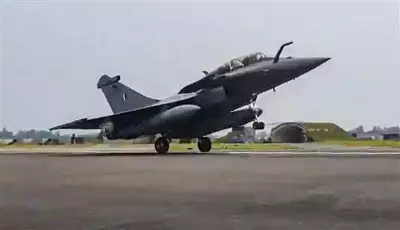
In response, Iran issued a stark warning, stating that "no port in the Persian Gulf and the Arabian Sea will be safe" if its port security is threatened. The status of the blockade at the designated time remained unclear initially. President Trump later escalated rhetoric in a social media post, claiming that "Iran's Navy is lying at the bottom of the sea, completely obliterated —158 ships." He dismissed Iran's fast attack ships as minimal threats but threatened to eliminate them if they approach the blockade, using methods described as "quick and brutal," akin to those used against drug traffickers at sea.
Legal and International Implications of the Blockade
This naval blockade is widely viewed as a significant escalation against Iran and is perceived as edging perilously close to an indirect declaration of war, particularly against China, the primary consumer of Iranian crude oil. Under international law, a blockade is regarded as an act of war, a principle rooted in maritime law where using force to block port access constitutes belligerent activity. Historically, during the Cuban Missile Crisis, the US avoided this legal implication by terming its action a "quarantine," but the Trump administration has foregone such diplomatic nuances.

Impact on Global Oil Trade and China's Critical Role
The stakes are heightened by China's heavy reliance on Iranian oil, which accounts for over 90% of Iran's exports, with imports of approximately 1.5 to 1.6 million barrels per day. This represents about 15% to 16% of China's total crude imports, making Iran a crucial external supplier. The trade operates in a legal grey area, involving a "shadow fleet" of tankers using flags of convenience, ship-to-ship transfers near Malaysia and the UAE, and relabelling of cargoes for processing in China's independent refineries. Payments in yuan further shield transactions from US scrutiny, sustaining Iran's export revenues amid Western sanctions.
India's Minimal Direct Exposure and Secondary Effects
In comparison, India's involvement with Iranian oil is currently negligible, with only a small, tentative resumption of imports under a temporary US sanctions waiver. Historically, India imported 15-20% of Iran's exports before 2019, but this dropped to near zero after sanctions tightened. India has since shifted to Russian oil, though US tariffs have reduced this, forcing diversification to sources like the US and Venezuela. While India's direct exposure to the blockade is minimal, it may face secondary effects such as higher global oil prices, tighter supply, and increased competition for alternatives. Additionally, India's basmati rice exports to Iran could be impacted.
Broader Regional and Economic Consequences
The blockade also poses risks to other Gulf exporters, including Saudi Arabia, the UAE, Qatar, and Kuwait, all of which depend on the Strait of Hormuz for shipping their oil and gas. The enforcement of this blockade by CENTCOM forces underscores a strategic move that not only targets Iran's economy but also challenges international trade dynamics, with potential ripple effects across global markets and diplomatic relations.