

US Reiterates Willingness for Diplomatic Talks with Iran
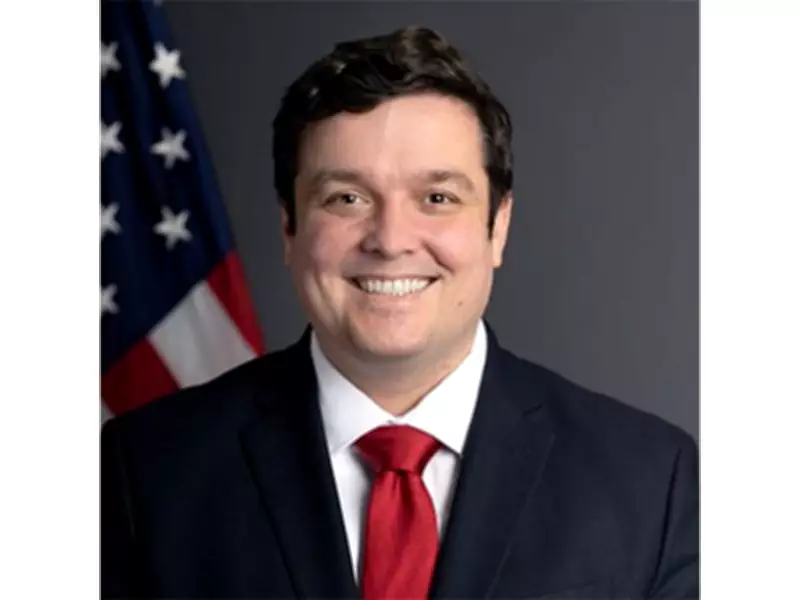
The United States has once again emphasized its openness to diplomatic channels with Iran, according to a recent statement from a State Department spokesperson. This declaration comes amid persistent tensions and complex geopolitical dynamics in the Middle East region.
Balancing Diplomacy and Strategic Goals
During a press briefing, the spokesperson clarified that while the US is always prepared to engage in dialogue, it remains steadfast in its commitment to fulfilling key objectives. These objectives are understood to include addressing Iran's nuclear program, regional activities, and human rights concerns, which have been longstanding points of contention in bilateral relations.
The spokesperson underscored that diplomacy is a preferred tool, but not at the expense of core national interests. This stance reflects a nuanced approach, where the US seeks to leverage negotiations while maintaining pressure through sanctions and other measures to achieve desired outcomes.

Context of Ongoing Tensions
The statement arrives against a backdrop of heightened friction, including recent incidents in the Persian Gulf and stalled efforts to revive the nuclear deal. The US has consistently called for Iran to curb its uranium enrichment and support for proxy groups, issues that have complicated diplomatic efforts.
Analysts note that this dual-track strategy—open to talks but firm on goals—aims to prevent escalation while pushing for concessions. It signals a willingness to avoid military conflict, yet a determination to secure non-proliferation and stability aims through persistent engagement.
Implications for International Relations
This position may influence global diplomacy, as allies and adversaries alike monitor US-Iran interactions. The US's approach could shape future negotiations, potentially involving multilateral frameworks or bilateral discussions.
- Emphasis on diplomatic solutions to reduce regional volatility.
- Assurance that objectives like nuclear security will not be compromised.
- Potential for renewed talks if Iran demonstrates flexibility.
In summary, the US State Department's message reinforces a policy of cautious optimism: ready to talk, but resolved to see its strategic aims realized, ensuring that diplomacy serves as a means to an end in managing the complex relationship with Iran.






