US Withdraws Generals From Key NATO Bases in Europe Under Trump's Leadership
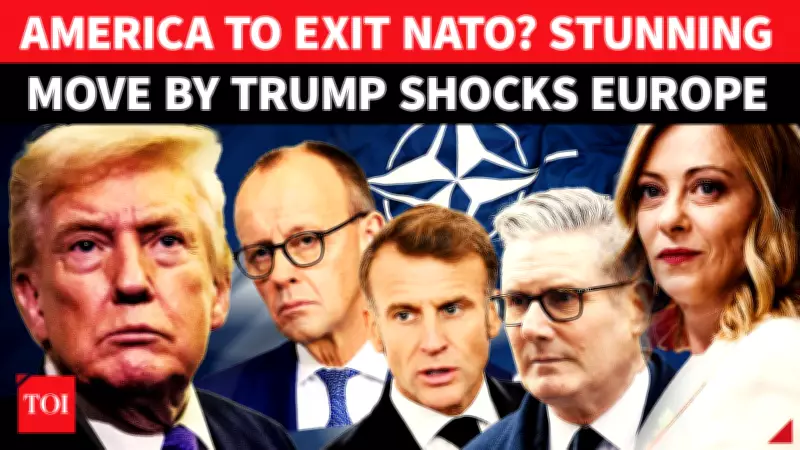
Significant fractures are emerging within the transatlantic alliance as the United States prepares to relinquish control of two of NATO's most crucial command positions to European military officers. According to a detailed Reuters report, Washington will formally step down from leading the NATO commands based in Naples, Italy, and Norfolk, Virginia. This development represents a profound transformation for an alliance historically dominated by American military authority and strategic direction.
A Strategic Rotation or a Deliberate Power Shift?
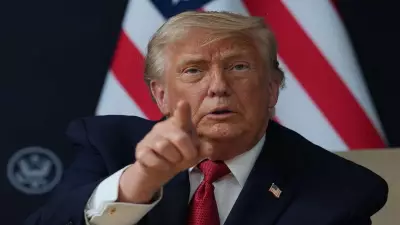
While NATO officials have characterized this move as a standard "rotation" of leadership roles, numerous analysts and critics interpret it as a direct component of President Donald Trump's overarching agenda to foster a Europe-led NATO framework. President Trump has consistently and vocally advocated for European nations to assume greater responsibility for their own defense and security apparatus. He has issued repeated warnings that the era of the United States serving as Europe's primary security guarantor is rapidly drawing to a close.
This pivotal decision intensifies ongoing speculation regarding whether the United States is incrementally loosening its longstanding grip on NATO's operational command structure. Furthermore, it raises critical questions about Europe's current readiness and capacity to stand independently in matters of continental defense without the traditional, heavy reliance on American military leadership and resources.

The Broader Context of US-European Relations
The withdrawal of American generals from these key command posts occurs against a backdrop of President Trump's persistent demands for increased European defense spending and strategic autonomy. This action is viewed by many observers as a tangible manifestation of his administration's foreign policy, which emphasizes burden-sharing and a recalibration of America's global military commitments.
The commands in Naples and Norfolk are not merely symbolic; they are integral to NATO's operational effectiveness in the Mediterranean and Atlantic regions, respectively. Transferring these leadership roles to European officers signifies a potential redefinition of roles within the alliance, potentially altering long-established chains of command and decision-making processes.
Implications for NATO's FutureThis development prompts a thorough examination of NATO's future cohesion and operational dynamics. Key considerations include:
- The ability of European militaries to seamlessly integrate and command complex, multinational operations.
- The potential impact on NATO's rapid response capabilities and strategic coordination.
- Whether this move will encourage greater European defense investment and collaboration, or lead to fragmentation.
- The long-term role of the United States within the alliance if such withdrawals become a pattern.
As the situation evolves, the international community will closely monitor how this transfer of command authority influences NATO's preparedness, the balance of power within the alliance, and the broader geopolitical landscape of Euro-Atlantic security. The coming months will be crucial in determining whether this represents a temporary adjustment or a permanent shift in the foundational structure of the world's most powerful military alliance.