Sanctioned Tankers Persist in Hormuz Strait Transit Amid US Blockade
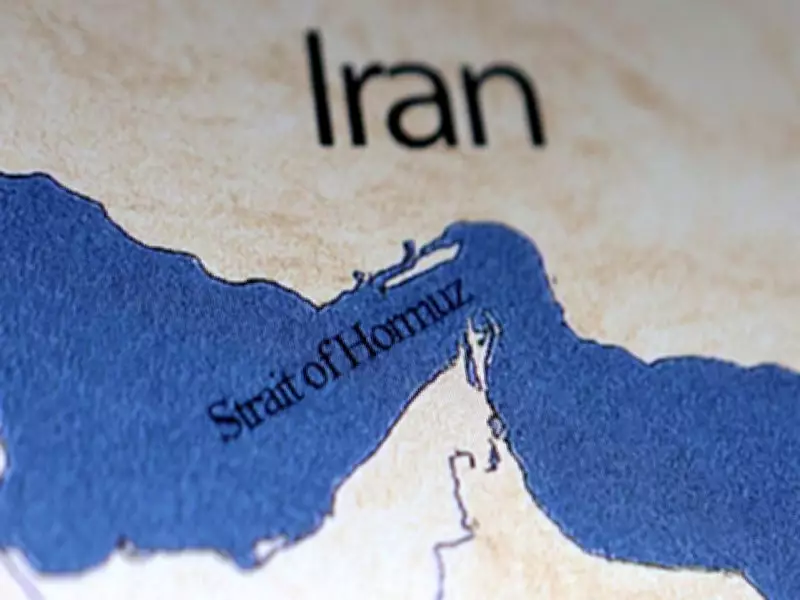
In a development that underscores the complexities of international sanctions enforcement, multiple oil tankers under US sanctions have reportedly continued their passage through the Hormuz Strait, a critical global chokepoint for oil shipments. This occurs despite an ongoing US-led maritime blockade aimed at curbing such movements, highlighting potential gaps in the enforcement mechanisms and escalating geopolitical tensions in the region.
Defiance in the Face of Sanctions
The Hormuz Strait, located between the Persian Gulf and the Gulf of Oman, is a vital artery for global energy supplies, with approximately one-fifth of the world's oil passing through it daily. The US, in an effort to tighten economic pressure on certain nations, has imposed sanctions on specific tankers and shipping entities, citing violations related to oil trade with sanctioned countries like Iran. However, recent observations indicate that these sanctioned vessels are not heeding the blockade, continuing their transit operations unimpeded.
This defiance raises significant questions about the effectiveness of unilateral sanctions in a globally interconnected maritime environment. Experts note that while the US has deployed naval assets to monitor and enforce the blockade, the sheer volume of traffic and the strategic importance of the strait make it challenging to completely halt all sanctioned movements. Additionally, some tankers may be employing tactics such as disabling transponders or using alternative routes to evade detection, further complicating enforcement efforts.

Geopolitical and Economic Implications
The continued passage of sanctioned tankers through the Hormuz Strait has broader implications for global oil markets and diplomatic relations. On one hand, it threatens to undermine the credibility of US sanctions, potentially encouraging other actors to flout similar measures. On the other hand, it could lead to increased volatility in oil prices, as any disruption in the strait—whether from enforcement actions or retaliatory measures—could significantly impact supply chains.
Regional powers and international stakeholders are closely monitoring the situation, with concerns that heightened tensions might escalate into confrontations. The US has reiterated its commitment to enforcing sanctions, but the persistence of these tankers suggests a need for more coordinated international efforts or revised strategies to address the loopholes.
Challenges in Maritime Enforcement
Enforcing a blockade in a busy maritime corridor like the Hormuz Strait involves numerous logistical and legal hurdles. Key challenges include:
- High Traffic Density: The strait sees a constant flow of commercial vessels, making it difficult to isolate and intercept specific sanctioned tankers without disrupting legitimate trade.
- Legal Ambiguities: International maritime law can be complex, and some nations may contest the legality of unilateral blockades, leading to diplomatic disputes.
- Evasion Techniques: Tankers may use methods like flagging under different registries or operating in shadow fleets to bypass sanctions, requiring advanced surveillance and intelligence-sharing.
As the situation evolves, analysts predict that the US might ramp up diplomatic pressure or seek broader coalition support to strengthen the blockade. However, the ongoing transit of sanctioned tankers serves as a stark reminder of the limitations of economic sanctions in controlling global trade flows, especially in strategically vital regions.
In conclusion, the defiance of US-sanctioned tankers in the Hormuz Strait not only tests the enforcement capabilities of the blockade but also highlights the intricate balance between geopolitical strategies and the realities of international commerce. Stakeholders worldwide will be watching closely to see how this standoff unfolds, with potential repercussions for energy security and global diplomatic relations.