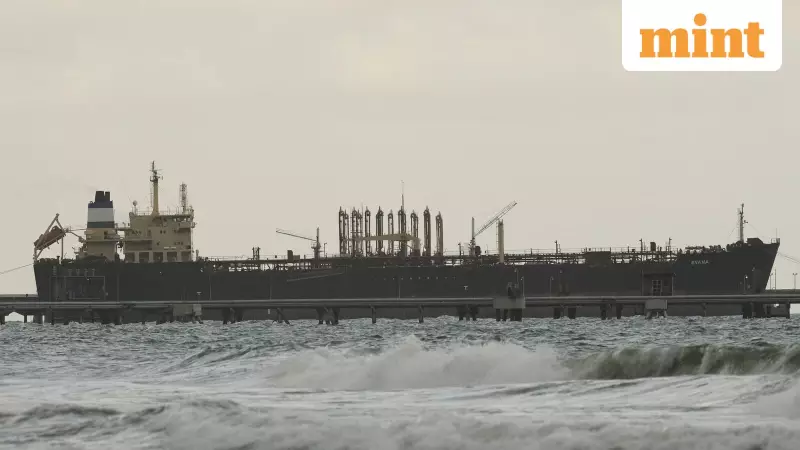
In a significant escalation of its enforcement actions, the United States has captured an oil tanker named Olina in Caribbean waters. This marks the fifth vessel seized by American authorities in a matter of weeks, as part of a heightened campaign to disrupt oil shipments from Venezuela, according to information from two US officials.
Details of the Olina Tanker Seizure
The targeted vessel, the Olina, was found to be operating under a fraudulent registration. Official shipping records indicate that the tanker was falsely flying the flag of Timor-Leste. The news agency Reuters reported that the ship had initially set sail from Venezuela and later made its way back to the same general region before being intercepted.
Adding to the vessel's suspicious activity, maritime tracking data shows a significant gap in its location signals. The British maritime risk management firm Vanguard stated that the Olina's Automatic Identification System (AIS) tracker was last active 52 days ago. Its final recorded position was within Venezuela's Exclusive Economic Zone (EEZ), specifically to the northeast of the island of Curacao.

A Pattern of Enforcement in the Caribbean
This latest seizure is not an isolated incident but part of a broader, sustained effort. US authorities have been engaged in a prolonged pursuit of tankers suspected of being linked to Venezuelan oil shipments that are under international sanctions. The crackdown reflects Washington's ongoing strategy to apply economic pressure by targeting the South American nation's crucial oil revenue streams.
The operation against the Olina underscores the increasing vigilance and capability of US maritime enforcement in the Caribbean region. It signals a clear intent to physically detain vessels involved in circumventing sanctions, moving beyond mere threats or diplomatic warnings.
Implications and Regional Impact
The consecutive seizures of oil tankers are likely to have a chilling effect on the shadow fleet often used to transport Venezuelan crude. Ship owners and operators involved in such trades now face a substantially higher risk of asset confiscation. This aggressive posture by the United States directly impacts the complex networks that have facilitated Venezuela's oil exports despite sanctions.
For the global oil market and regional security dynamics, these actions highlight the ongoing geopolitical tensions surrounding Venezuela's energy sector. The situation remains fluid, and further developments are anticipated as the US continues its enforcement campaign. This is a developing story, and more updates are expected to follow.