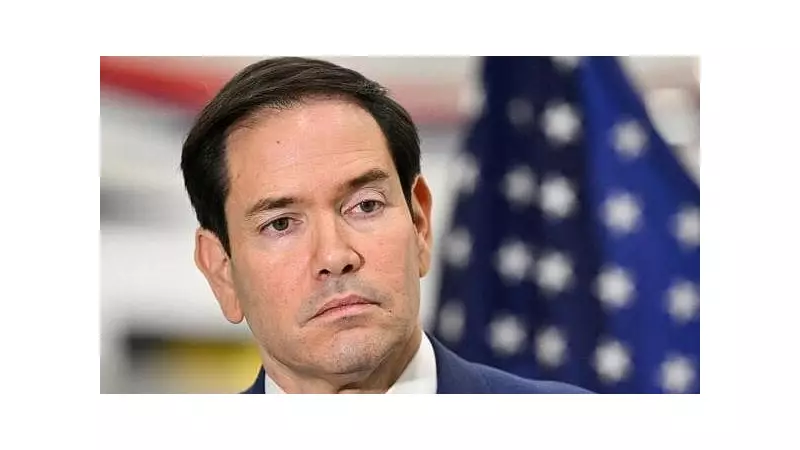
In a significant show of solidarity with Israel, a prominent United States senator has declared his intention to pursue sanctions against International Criminal Court (ICC) officials. The move comes in response to the court's potential issuance of arrest warrants for senior Israeli leaders.
Rubio's Firm Stance Against The ICC
Republican Senator Marco Rubio, who serves as the vice chairman of the Senate Intelligence Committee, made his position unequivocally clear. He stated he would introduce legislation to sanction the judges and prosecutors of the ICC if they move forward with targeting Israeli officials. This threat is a direct reaction to reports that the court, based in The Hague, is considering arrest warrants related to the ongoing conflict in Gaza.
The core of Rubio's argument is that the ICC lacks legitimate jurisdiction over Israel or the United States. He, along with other critics, views any such legal action as a politically motivated attack rather than a pursuit of impartial justice. His proposed bill aims to impose tangible consequences, including visa bans and asset freezes, on any ICC personnel involved in investigating or charging American or Israeli allies.

Bipartisan Support for Israel in the US Congress
Rubio's stance is not an isolated one. It reflects a broader, bipartisan sentiment within the U.S. Congress to defend Israel from international legal challenges. The senator emphasized that his forthcoming legislation is designed to protect not only Israel but also the United States and its other allies from what he perceives as overreach by the international court.
This development underscores the deep political and diplomatic support Israel continues to receive from its key ally, the United States, especially during times of heightened international scrutiny. The potential ICC warrants have galvanized political figures in Washington, leading to promises of retaliatory measures against the court itself.
Implications for International Law and Diplomacy
The confrontation sets the stage for a major clash between the United States and the principle of international justice as embodied by the ICC. If Rubio's sanctions are enacted, they could severely hinder the court's operations and deter its officials. This action would represent a powerful statement of U.S. opposition to the court's authority in matters involving its close partners.
The situation highlights the ongoing tension between national sovereignty and the reach of international institutions. For the ICC, pursuing cases against leaders of countries that are not members of the Rome Statute, like Israel, has always been legally contentious. The U.S. threat of sanctions adds a significant layer of political and economic pressure to this legal debate.
As the ICC prosecutor's office continues its work, the world watches to see if the court will proceed with the warrants amidst this formidable pressure from one of the world's most powerful nations. The outcome will have lasting repercussions for the global justice system and the dynamics of international diplomacy.