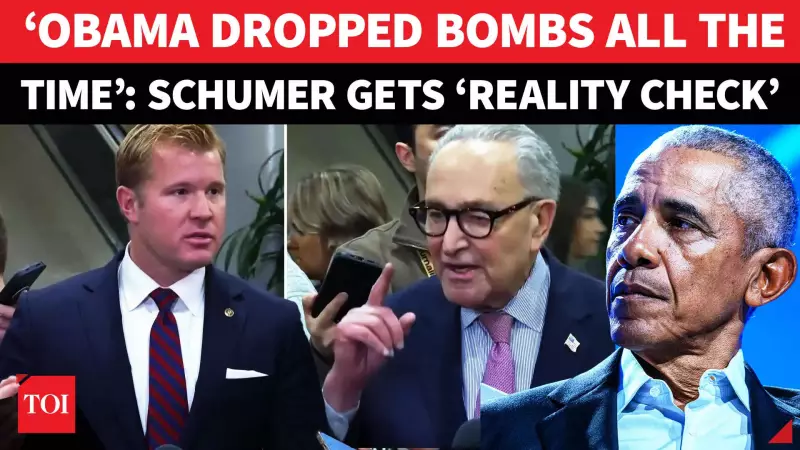
Tensions erupted in the United States Senate following a classified briefing on recent military strikes linked to Venezuela. The private session exposed a deep partisan rift over the administration's actions and its communication with Congress.
Sheehy's Fiery Defense of Military Action
Republican Senator Tim Sheehy launched a strong defense of the military operations. He argued that questioning the methods used in the strikes undermines a long-standing bipartisan precedent. Sheehy warned that such criticism could potentially risk American lives. He accused political opponents of politicizing national security matters, suggesting their actions weaken the country's deterrence capabilities against adversaries.
Schumer's Accusations of Secrecy
In a sharp rebuttal, Senate Minority Leader Chuck Schumer directed his criticism at the Trump administration. He specifically accused Defense Secretary Pete Hegseth and Secretary of State Marco Rubio of withholding crucial evidence from Congress. Schumer demanded a higher level of transparency from the executive branch. He issued a stark warning, urging that the United States must avoid sliding into another open-ended conflict in the Caribbean region.

The Broader Implications
The clash on Capitol Hill, which occurred on December 17, 2025, highlights the ongoing debate over war powers and congressional oversight. The dispute centers on the balance between executive action in national security and the legislative branch's right to detailed information. This incident is likely to fuel further discussions about the scope of presidential authority in conducting foreign military operations without full congressional disclosure.