

Spring's Arrival Overshadowed by Winter's Grip Across the United States
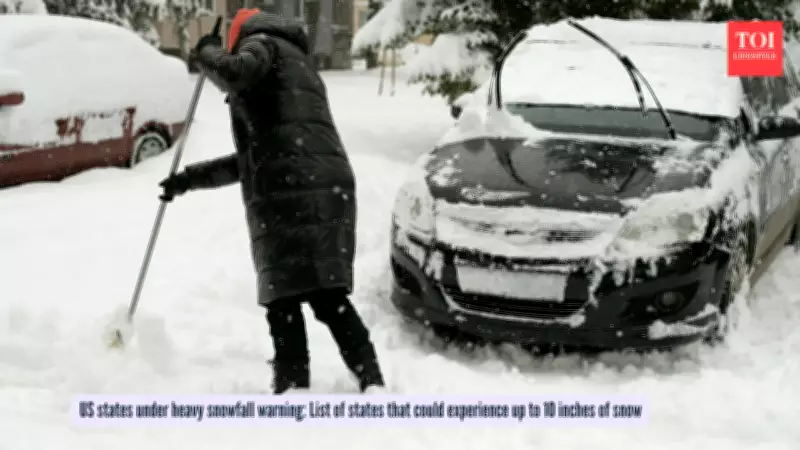
While the calendar officially marks the beginning of spring in the United States, winter weather is staging a dramatic and unyielding comeback. In a startling meteorological reversal, numerous regions across the nation have experienced a rapid transition from record-breaking warmth to life-threatening cold within just a few days. This sudden shift is driven by a powerful late-season snowstorm currently sweeping across extensive portions of the country.
Understanding the Phenomenon of Weather Whiplash
This abrupt and often unpredictable weather change is commonly referred to by meteorologists as "weather whiplash." It occurs when a potent surge of cold polar air collides with moist storm systems moving across the continent. This volatile atmospheric clash is capable of generating severe weather outcomes, including heavy snowfall, significant ice accumulation, and powerful, gusty winds that exacerbate hazardous conditions.
National Weather Service Issues Critical Heavy Snow Warnings
In response to the developing storm system, the National Weather Service (NWS) has escalated its alerts, issuing a heavy snow warning for several states. Forecasters are predicting accumulations of up to 10 inches of snow in some affected areas. The NWS is urgently advising residents to avoid all non-essential travel, emphasizing that road conditions could deteriorate rapidly, making driving extremely dangerous or completely impossible.

Analyzing the Causes Behind Spring Snowstorms
According to detailed analysis from the National Weather Service, this disruptive storm is directly linked to a volatile polar air mass pushing southward. This system is responsible for triggering rapid snowfall, gusty winds, and a sharp, significant plummet in temperatures expected to persist through Tuesday. Weather agencies are stressing the critical importance of heeding travel advisories, as visibility may drop to near-zero levels and roads could become utterly impassable without warning.
Regional Impact: Northeast and Pacific Northwest Bear the Brunt
The most severe impacts from this spring snowstorm are concentrated across the Northeastern United States and specific areas of the Pacific Northwest. Multiple states within these regions are under active weather alerts. Latest NWS bulletins indicate that New York and Vermont are experiencing the strongest snowfall, particularly in higher elevation areas where total accumulations could reach between 6 to 10 inches.
"Periods of moderate snow and low visibility will be the biggest hazards," the NWS has explicitly warned. The agency highlighted that these combined conditions are highly likely to result in "dangerous driving conditions" for anyone on the roadways.
In states like Maine and New Hampshire, forecasters anticipate heavy snow falling atop existing freezing drizzle. This combination is expected to create a "light glaze" of ice underneath the fresh snowpack. Local NWS offices caution that this icy layer will render walkways and secondary roads extremely treacherous, transforming even short, routine trips into potentially risky endeavors.
Western States: Alaska and Hawaii Also Feel Winter's Bite
The reach of this late-season winter weather extends far to the west, impacting Alaska and Hawaii. In Alaska, the National Weather Service has warned of up to 6 inches of snow accumulating in parts of the southeastern regions, accompanied by strong winds that will further reduce visibility for residents and travelers.
Remarkably, Hawaii's Big Island is also under a Winter Storm Warning for its highest summits. The NWS-Hawaii bulletin forecasts "heavy snowfall and strong winds" for the peaks, with additional snow and winds reaching speeds of 35 mph expected.
Why Travel is Deemed Particularly Hazardous
One of the primary reasons the National Weather Service is warning that travel could become impossible is the astonishing speed at which the snow is forecast to fall. Meteorologists explain that snowfall rates may exceed one inch per hour during the peak intensity of the storm. This rate can outpace the capacity of snowplows and road maintenance crews to keep major highways and thoroughfares clear.

Furthermore, as initial rain transitions into heavy snow, the quickly accumulating slush can transform into deep snowdrifts, especially in areas experiencing concurrent gusty winds. This creates a perfect storm for stranded vehicles and emergency situations, underscoring the critical nature of the travel warnings issued by authorities.





