

US State Secretary Defends Washington's Action Against Iran, Calls It a Terrorist Regime
In a strong and unequivocal statement, US Secretary of State Antony Blinken has defended Washington's recent actions against Iran, explicitly labeling the Iranian government as a terrorist regime. This declaration comes at a time of heightened tensions between the two nations, with the United States intensifying its sanctions and diplomatic pressure on Tehran over its nuclear program and regional activities.
Blinken's Firm Stance on Iran's Government
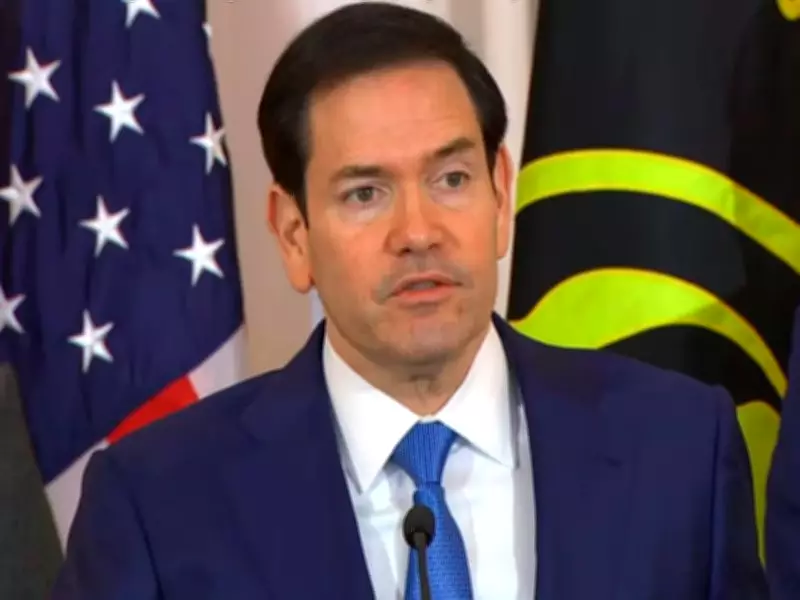
During a press briefing, Secretary Blinken articulated the US position, emphasizing that the Iranian regime's actions justify Washington's firm response. He stated that the government in Tehran has consistently engaged in activities that support terrorism and destabilize the Middle East, warranting the label of a terrorist government. Blinken highlighted specific instances, such as Iran's backing of militant groups in the region and its alleged involvement in attacks against US interests, as key reasons for this characterization.
This is not merely a rhetorical shift but a reaffirmation of long-standing US policy, Blinken noted, pointing to decades of sanctions and diplomatic measures aimed at curbing Iran's influence. He defended the recent escalation in US actions, including economic sanctions and military posturing, as necessary steps to protect national security and promote stability in the region.

Context of Escalating US-Iran Tensions
The backdrop to Blinken's statement is a period of escalating tensions between the United States and Iran. Over the past few years, Washington has ramped up sanctions targeting Iran's oil exports, financial institutions, and key individuals, citing concerns over its nuclear ambitions and support for proxy forces. These measures have significantly impacted Iran's economy and led to retaliatory actions, including attacks on shipping in the Persian Gulf and drone strikes on US bases.
Blinken's remarks come amid ongoing negotiations over Iran's nuclear program, which have stalled in recent months. The US has insisted that any agreement must address not only nuclear issues but also Iran's regional behavior, a point Blinken reiterated in his defense of Washington's actions. We cannot separate Iran's nuclear activities from its support for terrorism, he asserted, underscoring the interconnected nature of US concerns.
Implications for Regional and Global Diplomacy
Labeling Iran as a terrorist regime has significant implications for regional and global diplomacy. It reinforces the US stance that Iran is a pariah state, potentially complicating efforts to revive the nuclear deal or engage in broader diplomatic talks. Allies and adversaries alike are likely to react, with some supporting the US position and others criticizing it as inflammatory.
In the Middle East, countries like Israel and Saudi Arabia, which view Iran as a primary threat, may welcome Blinken's statement as a validation of their own security concerns. Conversely, nations like Russia and China, which have closer ties with Iran, might condemn the US approach as destabilizing. Domestically, Blinken's defense of Washington's actions could bolster support among US lawmakers and the public, who have long been divided on how to handle Iran.
Key Points from Blinken's Defense
- Iran's government is labeled a terrorist regime due to its support for militant groups and destabilizing activities.
- US actions, including sanctions and diplomatic pressure, are justified as necessary for national security.
- The nuclear negotiations with Iran must address both nuclear and regional behavior issues.
- This stance aligns with long-standing US policy and aims to promote stability in the Middle East.
As tensions continue to simmer, Blinken's defense of Washington's action against Iran underscores the deep-seated conflicts between the two nations. The characterization of Iran as a terrorist regime is likely to shape US foreign policy in the region for the foreseeable future, impacting everything from military strategy to economic sanctions. With no immediate resolution in sight, the world watches closely as this geopolitical standoff unfolds, with potential ramifications for global security and diplomacy.






