

US Military Conducts Strike on Iranian Vessel in Gulf of Oman
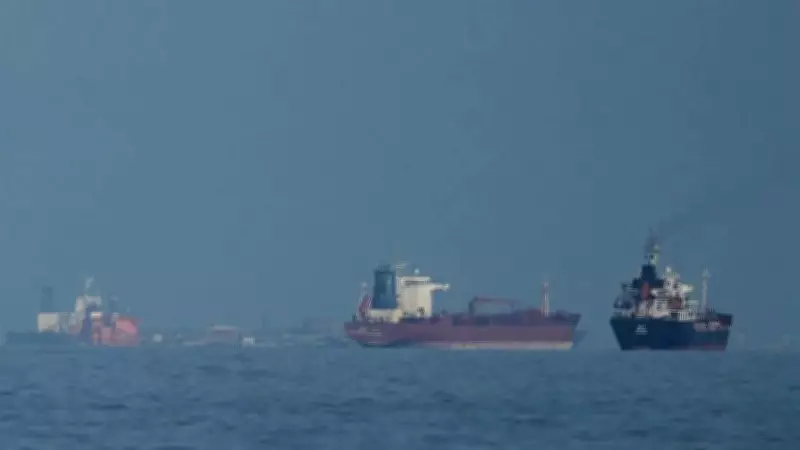
In a significant escalation of tensions in the Middle East, the United States military has launched an attack on an Iranian vessel in the Gulf of Oman. The incident occurred on April 20, 2026, and was reportedly in response to the ship defying a naval blockade imposed by US forces in the region.
Details of the Attack and Naval Blockade
The US military confirmed that it targeted the Iranian vessel after it attempted to breach a naval blockade established to enforce sanctions and prevent the smuggling of weapons and other contraband. The strike involved precision-guided munitions, causing significant damage to the ship, though specific casualties have not been disclosed by official sources at this time.
This action underscores the ongoing strategic confrontations in the Gulf of Oman, a critical maritime chokepoint for global oil shipments. The naval blockade has been a point of contention, with Iran repeatedly challenging US authority in these waters, citing violations of international maritime law.

Iran's Response and Vow of Retaliation
In response to the attack, Iranian officials have issued a strong statement condemning the US action as an act of aggression. Tehran has vowed to retaliate, warning that such strikes will not go unanswered. This threat raises the specter of further military engagements and potential escalation into a broader regional conflict.
Iran's military and political leadership have emphasized their commitment to defending their sovereignty and maritime interests. Analysts suggest that retaliation could take various forms, including asymmetric warfare tactics, cyberattacks, or targeted strikes against US assets in the region.
Broader Implications for Regional Stability
The attack and subsequent threats come amid heightened tensions between the US and Iran, which have been simmering for years over issues such as nuclear proliferation, regional influence, and economic sanctions. This incident threatens to destabilize the already volatile Middle East, impacting global energy markets and international security.
Key stakeholders, including other Gulf nations and international bodies, are closely monitoring the situation. There are calls for diplomatic interventions to de-escalate the crisis, but with both sides taking hardline positions, the path to resolution remains uncertain.
Historical Context and Future Outlook
This is not the first time the US and Iran have clashed in the Gulf of Oman. Previous incidents have included seizures of ships, drone strikes, and proxy conflicts. The current escalation highlights the persistent friction in US-Iran relations and the challenges of maintaining maritime security in strategic waterways.
Looking ahead, the situation demands careful navigation to prevent a full-scale conflict. The international community is urged to engage in dialogue and uphold maritime laws to ensure stability in the region. However, with Tehran's vow of retaliation, the immediate future appears fraught with potential for further military actions and diplomatic standoffs.






