US Issues Stern Warning on Iranian Oil Trade and Implements Maritime Blockade
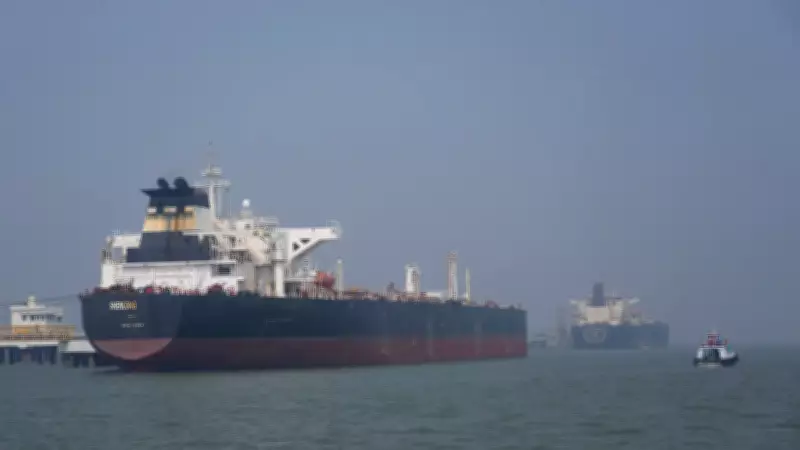
The United States has issued a firm warning that it will vigorously prosecute any individuals or entities involved in the purchase or sale of sanctioned Iranian oil. This declaration comes amid heightened tensions following the announcement of a blockade targeting maritime traffic linked to Iran, particularly through the strategic Strait of Hormuz.
Justice Department's Strong Stance on Sanctions Enforcement
In a post on the social media platform X, US Acting Attorney General Todd Blanche emphasized the Department of Justice's commitment to enforcing sanctions. "The Department of Justice will vigorously prosecute anyone who buys or sells sanctioned Iranian oil. The Department of Justice fully supports our Commander in Chief @POTUS and our military," he stated. This warning underscores the US government's resolve to curb Iran's oil revenue, which is seen as a critical component of its economic and military activities.
Failed Peace Talks Lead to Escalation
The warning follows the collapse of US-Iran peace talks held in Islamabad on Sunday. These negotiations aimed to end the conflict that began on February 28, but failed to yield an agreement. In response, the US moved swiftly to announce a blockade targeting all maritime traffic associated with Iranian ports, marking a significant escalation in the ongoing dispute.

Details of the US Central Command Blockade
The US Central Command (CENTCOM) has detailed the implementation of this blockade, set to commence on Monday at 10 am ET. According to CENTCOM, the blockade will be enforced impartially against vessels of all nations entering or departing Iranian ports and coastal areas, including those in the Arabian Gulf and Gulf of Oman. However, CENTCOM clarified that freedom of navigation will not be impeded for vessels transiting the Strait of Hormuz to and from non-Iranian ports, ensuring minimal disruption to global trade routes outside Iranian waters.
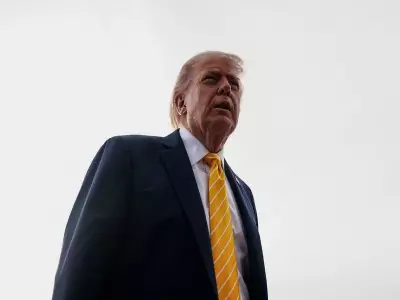
Former President Donald Trump described the move as a "complete blockade" and "all or none," indicating that no ships will be allowed to pass until Iran alters its position. In a post on Truth Social, Trump criticized Iran's actions, stating, "At some point, we will reach an 'ALL BEING ALLOWED TO GO IN, ALL BEING ALLOWED TO GO OUT' basis, but Iran has not allowed that to happen by merely saying, 'There may be a mine out there somewhere,' that nobody knows about but them." He further condemned the situation as "WORLD EXTORTION," asserting that leaders, especially from the United States, will not be extorted.
US Navy's Role in Enforcement
Trump also announced that the US Navy will "seek and interdict every vessel in International Waters that has paid a toll to Iran." This proactive measure aims to disrupt any financial transactions benefiting Iran from maritime activities, reinforcing the blockade's economic pressure.
Broader Mission for Maritime Security
CENTCOM added that further details regarding the blockade will be shared with commercial mariners through formal notices prior to its implementation. The blockade is part of a broader mission to ensure the Strait of Hormuz is fully clear of sea mines laid by the Islamic Revolutionary Guard Corps (IRGC), enhancing safety and security in one of the world's most vital shipping lanes.
This development highlights the escalating geopolitical tensions between the US and Iran, with significant implications for global oil markets and international maritime law. The US's dual approach of legal prosecution and military enforcement reflects a comprehensive strategy to address perceived threats from Iran.