

US Troop Withdrawal from Iran Imminent as Strategic Goals Fulfilled
In a significant development in Middle Eastern geopolitics, the United States is set to withdraw its military forces from Iran within the next two to three weeks, according to a statement from Fred Fleitz, a prominent ally of former President Donald Trump. Fleitz, who has served in various national security roles, emphasized that this decision follows the successful achievement of key strategic objectives set by the U.S. government.
Timeline and Rationale for the Withdrawal
The withdrawal process is expected to commence imminently, with a clear timeline of two to three weeks for completion. Fleitz clarified that this move is not abrupt but rather a planned phase-out based on a thorough assessment of the mission's accomplishments. He highlighted that the U.S. has met its primary goals in Iran, which include enhancing regional stability and countering threats, though specific details of these objectives were not disclosed in his remarks.
Fred Fleitz's Role and Insights
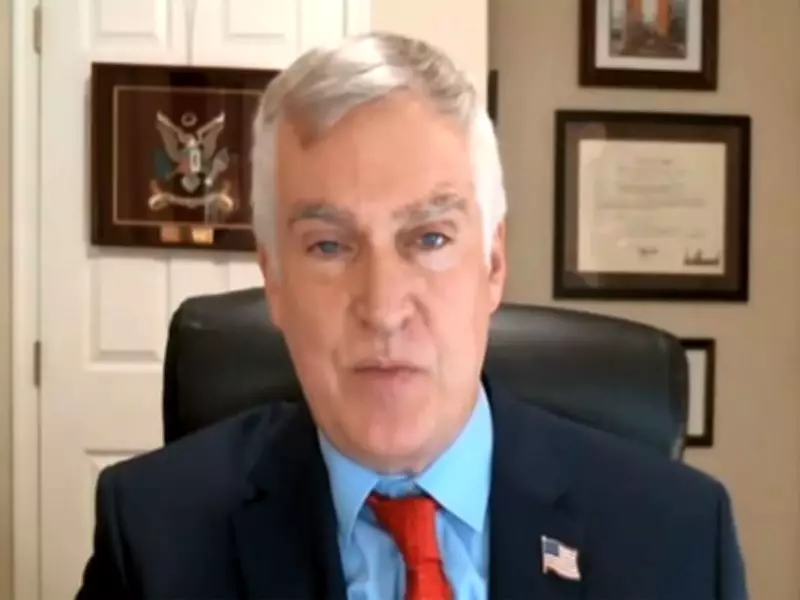
Fred Fleitz, known for his close ties to the Trump administration and his expertise in foreign policy, provided this update during a recent discussion on U.S. strategy in the Middle East. His comments underscore a shift in American military posture, reflecting a broader trend of reevaluating troop deployments in conflict zones. Fleitz's perspective is seen as influential, given his background in intelligence and national security affairs.

This announcement comes amid ongoing tensions in the region, but Fleitz assured that the withdrawal is being conducted in a manner that prioritizes security and diplomatic considerations. He noted that the U.S. will maintain a vigilant stance to address any emerging threats, even as troops are pulled back.
Implications for US-Iran Relations and Global Dynamics
The planned withdrawal could have far-reaching implications for U.S.-Iran relations and the broader geopolitical landscape in the Middle East. It may signal a de-escalation of military presence, potentially opening doors for renewed diplomatic engagements or affecting regional alliances. Observers are closely monitoring how this move aligns with current U.S. foreign policy under the Biden administration and its impact on global security frameworks.
As the situation evolves, further details on the withdrawal process and its aftermath are anticipated, with stakeholders from international bodies to local governments weighing in on the consequences. This development marks a pivotal moment in the ongoing narrative of U.S. involvement in Iran, highlighting the complexities of military strategy and international diplomacy.






