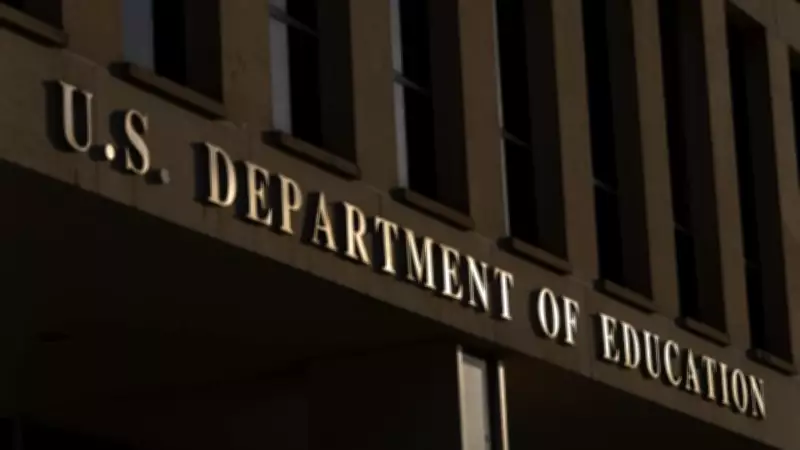
US Department of Education Proposes Workforce Pell Grant Program for Short-Term Job Training
The U.S. Department of Education has unveiled a significant policy proposal to establish the Workforce Pell Grant program, a groundbreaking initiative that could transform access to vocational education. Under this plan, students would be permitted to utilize federal Pell Grant funding for short-term job training courses, with implementation targeted to begin in July 2026.
Expanding Educational Access Through Federal Grants
The proposal, formally released as a Notice of Proposed Rulemaking (NPRM), originates from the Working Families Tax Cuts Act introduced during the administration of former President Donald Trump. This legislative effort aims to broaden educational opportunities by extending Pell Grant eligibility to workforce-focused programs that are directly linked to high-demand employment sectors.
If approved, this initiative would enable students to apply federal Pell Grants toward enrollment in qualifying workforce training programs. These programs can be completed in as little as eight weeks, offering a rapid and cost-effective pathway into the job market. Education officials emphasize that this approach is designed to accelerate entry into employment while simultaneously reducing dependence on student loans.

Specific Requirements for Eligible Programs
Under the proposed regulatory framework, eligible workforce programs must meet precise criteria to qualify for federal support. Programs must include between 150 and 599 clock hours of instruction and must have a duration of at least eight weeks but less than 15 weeks.
Before students can receive funding, these programs will require approval from state authorities. Specifically, a program must be endorsed by a state governor following consultation with the state workforce development board. The Department of Education states that this approval process is intended to ensure that funded programs align with current labor market demands and effectively prepare students for careers in high-skill, high-wage industries.
"Federal investment in short-term, high-quality programs aligned with a state's workforce needs will create new affordable pathways to upward mobility," stated Under Secretary of Education Nicholas Kent. Officials further noted that the program could serve as a stepping stone, helping students build toward more extensive academic credentials in the future.
Accountability Measures and Performance Benchmarks
The proposal incorporates stringent accountability requirements to guarantee that programs deliver tangible, measurable outcomes. Eligible workforce programs will need to meet established benchmarks, including completion rates, job placement outcomes, and a value-added earnings measure.
These metrics are designed to demonstrate whether the training effectively leads to improved employment prospects and enhanced wages for participants. The NPRM represents the second of three regulatory steps being undertaken by the department to implement education-related provisions of the Working Families Tax Cuts Act.
Public Comment Period and Next Steps
The proposed rule has been officially published in the Federal Register and is now open for public feedback. Interested parties can submit comments through the federal eRulemaking portal at regulations.gov until April 8, 2026.
The Education Department has indicated that it will thoroughly review all submissions and may revise the final regulation based on the feedback received before proceeding with program implementation. This open comment period provides stakeholders an opportunity to shape the future of workforce education funding in the United States.