US Vice President Vance Condemns Supreme Court Tariff Decision as Judicial Overreach
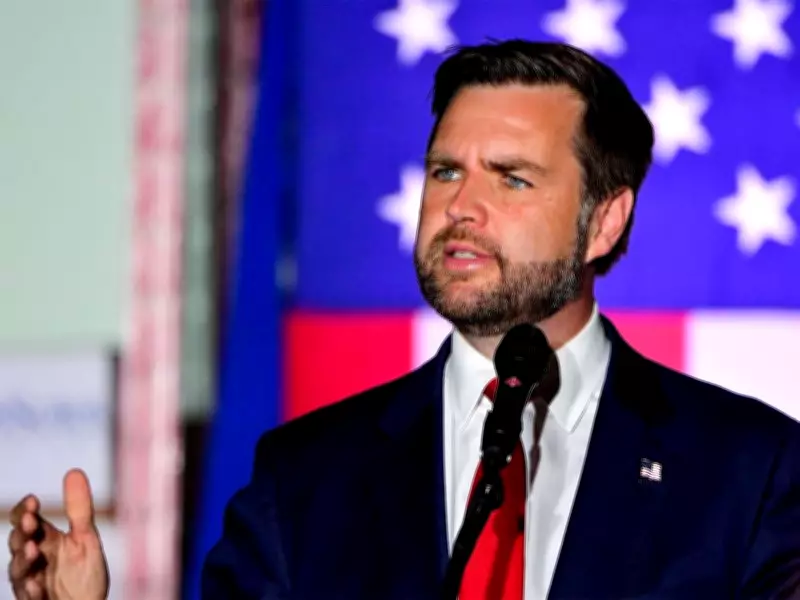
In a sharp rebuke of the judicial branch, US Vice President JD Vance has publicly criticized the Supreme Court's recent ruling to strike down tariffs, labeling it an act of "lawlessness from the courts." This statement, made in response to the court's decision, underscores a growing tension between the executive and judicial branches over economic policy and constitutional authority.
Vance's Critique of the Supreme Court Ruling
Vance's comments came shortly after the Supreme Court issued its decision, which invalidated tariffs imposed by the administration. He argued that the ruling represents a dangerous precedent of judicial overreach, where courts are encroaching on the executive's power to set economic and trade policies. "This is not just a legal error; it's a fundamental assault on the separation of powers," Vance stated, emphasizing that such actions could undermine national economic stability.
The Vice President highlighted that tariffs are a critical tool for protecting domestic industries and addressing unfair trade practices. By striking them down, he believes the court is interfering with the government's ability to respond to global economic challenges. "We cannot allow unelected judges to dictate our trade strategy," he added, calling for greater respect for executive discretion in matters of international commerce.

Background on the Supreme Court Decision
The Supreme Court's ruling centered on a legal challenge to tariffs that were implemented as part of broader trade measures. The court found that the tariffs exceeded statutory authority or violated procedural requirements, leading to their nullification. This decision has sparked debate among legal experts and policymakers, with some praising it as a check on executive power and others, like Vance, condemning it as an overstep.
Key aspects of the ruling include:
- A focus on the limits of presidential authority in imposing tariffs without congressional approval.
- Consideration of the economic impact on affected industries and consumers.
- Legal arguments regarding the interpretation of trade laws and constitutional provisions.
Vance's response aligns with concerns from some political quarters that the judiciary is increasingly involved in policy areas traditionally reserved for the executive and legislative branches.
Implications for US Economic Policy and Governance
This controversy highlights broader issues in US governance, particularly the balance of power among the three branches of government. Vance's criticism suggests that the administration may seek to challenge or circumvent the ruling through legislative or executive actions. Potential implications include:
- Increased political friction: The dispute could escalate tensions between the White House and the judiciary, affecting future policy implementations.
- Impact on trade relations: The ruling may influence ongoing trade negotiations and the US's approach to international economic agreements.
- Legal precedents: The case could set a precedent for how courts handle similar disputes over executive authority in economic matters.
Vance concluded by urging Congress to take action to clarify tariff authorities and prevent further judicial interference. "It's time for lawmakers to step up and defend our economic sovereignty," he said, signaling a call for legislative reinforcement of executive powers.
As this story develops, it reflects the ongoing struggle over the interpretation of constitutional powers in the United States, with significant ramifications for both domestic policy and global trade dynamics.