

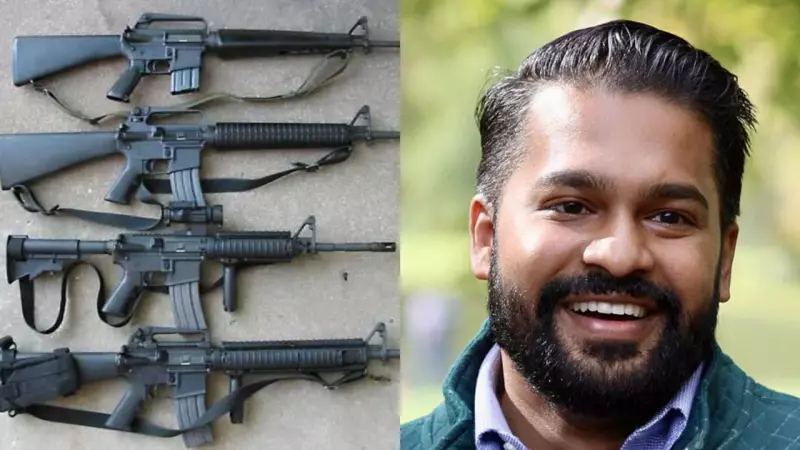
Virginia Democrats Push Gun Safety Bills, Igniting Firestorm of Opposition
A comprehensive package of gun safety legislation proposed by Democratic lawmakers in Virginia has ignited intense anger among gun rights supporters and MAGA-aligned activists. The bills, which include a controversial proposal to ban assault-style weapons authored by Bangladeshi-born Senator Saddam Azlan Salim, moved forward on Monday after more than half a dozen gun-related measures were approved along party lines within a mere four-hour span.
Senate Bill 749: The Most Contentious Proposal
The most divisive piece of legislation is Senate Bill 749, sponsored by Senator Salim. This bill seeks to prohibit the importation, sale, manufacture, purchase, possession, or transfer of assault firearms and large-capacity ammunition feeding devices. It passed on a 9-5 vote, reflecting the deep partisan divide on gun control issues in the state.
Key provisions of the bill include:

- It would not criminalize firearms already legally owned by citizens.
- Assault weapons manufactured before July 1, 2026, would be exempt from the ban.
- Exceptions are made for antique firearms, permanently inoperable weapons, and manually operated firearms.
- Additional exemptions apply for law enforcement agencies, military use, and certain family transfers.
Senator Salim defended the approach, stating, "Currently, there are so many assault weapons in circulation. This measure will gradually take these weapons off the streets without retroactively making it a crime to own a weapon that was legally purchased." He emphasized the gradual phase-out as a balanced strategy to enhance public safety.
Republican Backlash and Constitutional Concerns
Republicans and gun rights activists have vehemently opposed the bill, with some members of the MAGA base launching personal attacks against Senator Salim. Critics have argued that foreign-born lawmakers should not be shaping U.S. gun laws, a sentiment echoed in social media posts from figures like Dana Loesch, who asserted that one should be born in the country before attempting to strip away constitutional rights.
During committee discussions, opponents labeled the bill as unconstitutional. Senator Mark Peake articulated a common conservative viewpoint, stating, "That's the purpose of the Second Amendment. That's why we have firearms to fight against a tyrannical government. And this bill is a direct infringement on the Second Amendment to fight against a tyrannical government." This argument underscores the deep-seated belief among many gun rights advocates that firearm ownership is essential for safeguarding liberty.
Broader Context of Gun Control Efforts
The legislative push comes amid heightened tensions in Virginia, where gun rights activists gathered at Capitol Square a week earlier to warn that Democrats, after gaining control of the governor's office, are reviving aggressive gun control measures. Philip Van Cleave, president of the Virginia Citizens Defense League, accused Democrats of targeting lawful gun owners while allegedly weakening laws on violent criminals. He remarked, "While Democrats have bills to weaken laws on violent criminals, they like and support every bill that in any way infringes on the ability of law-abiding citizens to protect themselves."
Alongside Salim's assault weapons ban, lawmakers advanced several other proposals, including measures targeting ghost guns, ensuring safe firearm storage, regulating weapons in public spaces, and addressing firearms in vehicles. These bills collectively represent a significant shift in Virginia's gun policy landscape.
Next Steps and Financial Implications
Most of the approved bills will now proceed to the Senate Finance Committee for a thorough assessment of their financial impact. This step is crucial as it will determine the feasibility and potential costs associated with implementing the new regulations. The outcome of these evaluations could influence further debates and amendments as the legislation moves through the state senate.

The ongoing controversy highlights the enduring national debate over gun rights versus gun control, with Virginia serving as a microcosm of the broader ideological clashes. As the bills advance, stakeholders on both sides are gearing up for continued advocacy and potential legal challenges, ensuring that this issue remains at the forefront of political discourse in the state.





