

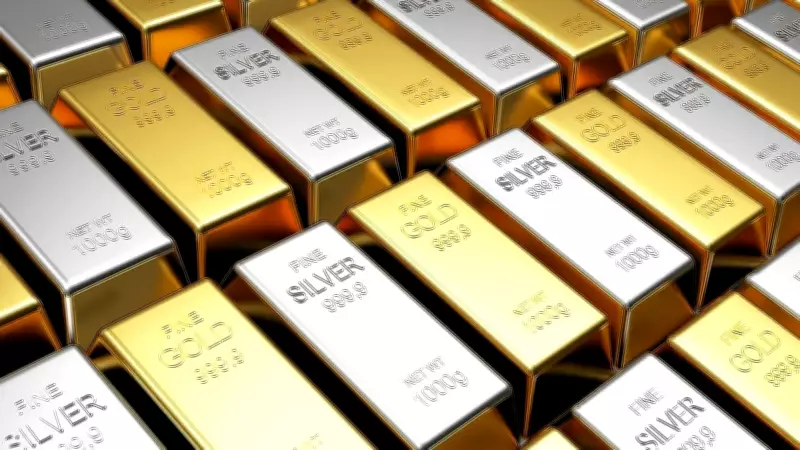
Gold and Silver Prices Experience Sharp Decline Amid Market Pressures
In a notable market movement, both gold and silver prices have recorded a substantial drop of up to 2%, driven primarily by muted demand and weak global cues. This downturn reflects broader economic trends and investor sentiment, impacting precious metal markets significantly.
International Market Performance Highlights the Decline
The international market has witnessed a pronounced slide in precious metal values. Specifically, silver prices have decreased by USD 1.65, which translates to a 2.15 percent decline, bringing the rate to USD 74.96 per ounce. Concurrently, gold prices have also fallen, trading 1.04 percent lower at USD 4,938.70 per ounce. These figures underscore the extent of the price correction in response to current market conditions.
Factors Contributing to the Price Drop
Several key factors have contributed to this decline in gold and silver prices:

- Muted Demand: Consumer and investor demand for precious metals has been subdued, reducing buying pressure and leading to lower prices.
- Weak Global Cues: Negative signals from international markets, including economic uncertainties and shifting monetary policies, have dampened sentiment towards gold and silver.
- Market Volatility: Broader financial market fluctuations have influenced precious metal prices, making them more susceptible to downward trends.
Implications for Investors and the Economy
This decline in gold and silver prices carries significant implications for various stakeholders. For investors, it may present buying opportunities or signal a need to reassess portfolio strategies in light of changing market dynamics. From an economic perspective, lower precious metal prices can reflect reduced inflationary pressures or shifts in currency values, impacting trade and investment flows globally.
As the market continues to evolve, monitoring these trends will be crucial for understanding future price movements and making informed decisions in the precious metals sector.






