Historic Budget Unveils Major Welfare Measures
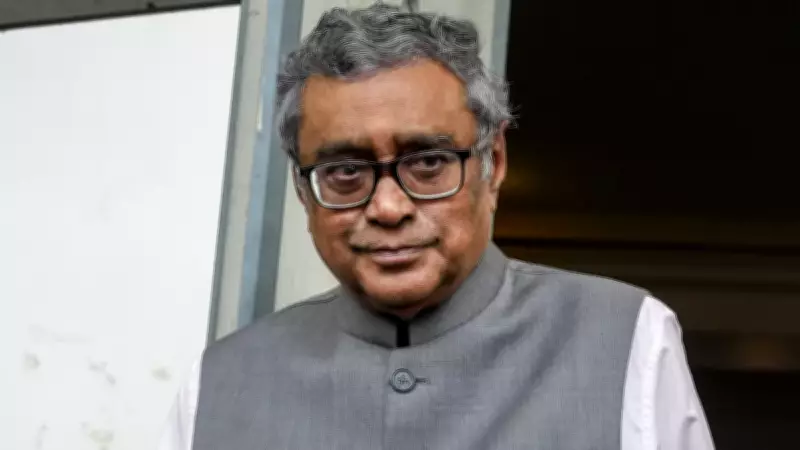
The first budget of the Bharatiya Janata Party (BJP) government in West Bengal was presented by Finance Minister Swapan Dasgupta on June 22, 2026, in the state assembly. The budget, pegged at a total outlay of ₹6.5 lakh crore, focuses on populist measures ahead of the 2026 assembly elections, including a 20% hike in dearness allowance (DA) for state government employees and the creation of 1 lakh new government jobs.
Key Announcements for Employees and Youth
Finance Minister Swapan Dasgupta announced a 20% increase in DA for state government employees, effective from July 1, 2026. This move is expected to benefit over 10 lakh employees and pensioners. Additionally, the budget proposed 1 lakh new appointments in various government departments over the next two years, with a focus on filling vacancies in health, education, and police services. "We are committed to fulfilling our promise of providing employment and improving the lives of our people," Dasgupta said during his budget speech.
Infrastructure and Development Push
The budget allocates ₹15,000 crore for infrastructure development, including road construction, rural electrification, and water supply projects. A new ‘Mega Industrial Park’ in Haldia has been proposed with an investment of ₹2,000 crore to boost manufacturing. The government also announced a ₹500 crore fund for the development of tourism in the Sundarbans region.

Social Welfare Schemes Expanded
Under the ‘Lakshmi Bhandar’ scheme, the monthly honorarium for women has been increased from ₹1,000 to ₹1,500. The ‘Kanyashree’ scholarship for girls has been extended up to postgraduate level, with a 25% increase in grant amounts. The budget also includes a new health insurance scheme covering up to ₹10 lakh per family for below-poverty-line households.
Agriculture and Farmer Support
To support farmers, the budget announced a 20% hike in the minimum support price (MSP) for paddy, wheat, and jute. A new ‘Krishi Samriddhi Yojana’ has been launched with an outlay of ₹3,000 crore to provide subsidized seeds and fertilizers. The government also waived outstanding loans of up to ₹1 lakh for small and marginal farmers.
Revenue and Fiscal Deficit
The budget estimates a revenue deficit of ₹25,000 crore, with fiscal deficit pegged at 3.5% of Gross State Domestic Product (GSDP). Dasgupta said the government will raise additional resources through rationalization of stamp duties and improved tax compliance. The state's own tax revenue is projected to grow by 12% to ₹1.8 lakh crore in 2026-27.
Reactions and Political Implications
The budget has drawn mixed reactions. While BJP leaders hailed it as "pro-people and development-oriented," the opposition Trinamool Congress criticized it as an "election gimmick" that lacks long-term vision. "This budget is a desperate attempt to buy votes," said TMC spokesperson Kunal Ghosh. The budget is seen as a crucial test for the BJP government, which came to power after a closely contested election earlier this year.