Indians Overwhelmingly Avoid Unknown Business Calls, New Report Finds
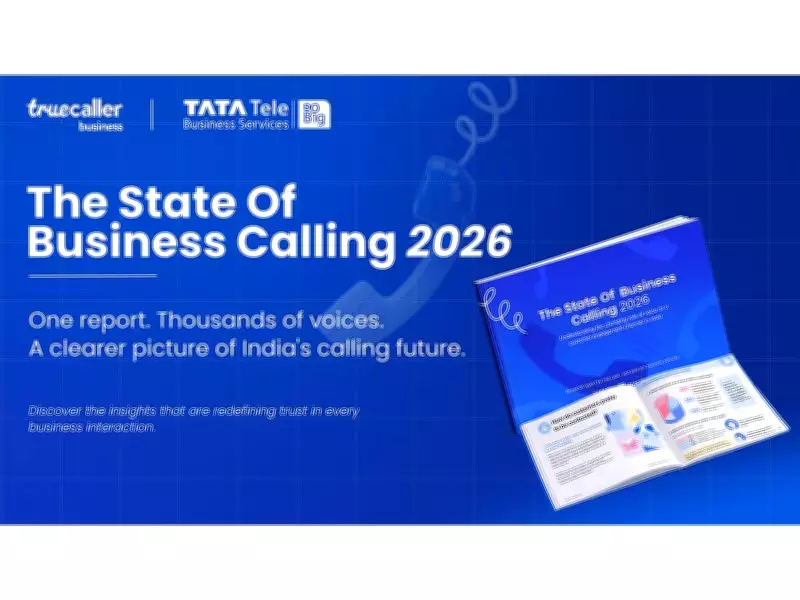
A comprehensive study by Truecaller, in partnership with Tata Tele Business Services (TTBS) and research partner Kantar, reveals that 79 percent of Indians actively avoid answering calls from unrecognized numbers. This finding comes despite the fact that 76 percent of consumers prefer voice calls over digital alternatives for business communication. The report, titled 'The State of Business Calling 2026', surveyed over 500 B2B businesses and 1,000 consumers across 17 cities in India.
Voice Calls Remain Trusted but Trust Is Eroding
Voice calls continue to be the most trusted channel for business communication, ahead of email, SMS, and chat combined. However, the report highlights a quiet erosion in trust due to spam, lack of context, inconsistent caller identity, and poorly timed outreach. This has created a default reluctance among consumers that affects even legitimate, compliant businesses.
Priyam Bose, Global Head of Truecaller for Business GTM, stated: "India does not have a calling problem. It has a trust and attention problem. Consumers today expect to know who is calling, why they are calling, and whether it is worth their time."

Key Consumer Preferences and Business Priorities
Nearly 49 percent of consumers indicated that the ability to schedule callbacks at a convenient time would significantly increase their willingness to engage with business calls. Additionally, clearer visibility into caller identity and purpose is a major factor. Businesses, on the other hand, are prioritizing caller identity (64 percent), verification symbols, and call-purpose previews to rebuild trust.
Misalignment in Measuring Voice Call Effectiveness
The study reveals a critical misalignment between how businesses use voice and how they measure its effectiveness. While 41 percent of businesses cite trust and brand perception as reasons for using voice, the metrics they track tell a different story: Response Rate (72 percent), Time to Resolution (57 percent), and Cost per Interaction (53 percent) dominate. None of these capture the true value of voice in delivering higher Customer Satisfaction (42 percent), stronger customer retention (36 percent), and emotional reassurance that no automated channel can replicate.
Regulatory Context and Sector-Specific Usage
Regulatory frameworks such as DLT and the use of 140 and 1600 number series aim to classify promotional and service calls. However, consumers may still receive essential service calls despite DND preferences, making recognizable identity and clear context critical to driving engagement. Voice remains vital in sectors like BFSI and IT services for verification and compliance, while e-commerce and logistics use voice alongside digital channels for transactional and support communication.
Vishal Rally, Chief Revenue Officer of Tata Teleservices, commented: "Voice remains an important channel for enterprise communication, particularly when immediacy and human connection matter most. As customer expectations evolve, businesses need secure, intelligent, and context-aware communication experiences."
New Benchmarks Introduced
The report introduces three proprietary benchmarks: the Voice Adoption Index, Feature Engagement Index, and Feature Interest Index, designed to help businesses assess their current standing and identify areas for future investment in voice communication strategies.