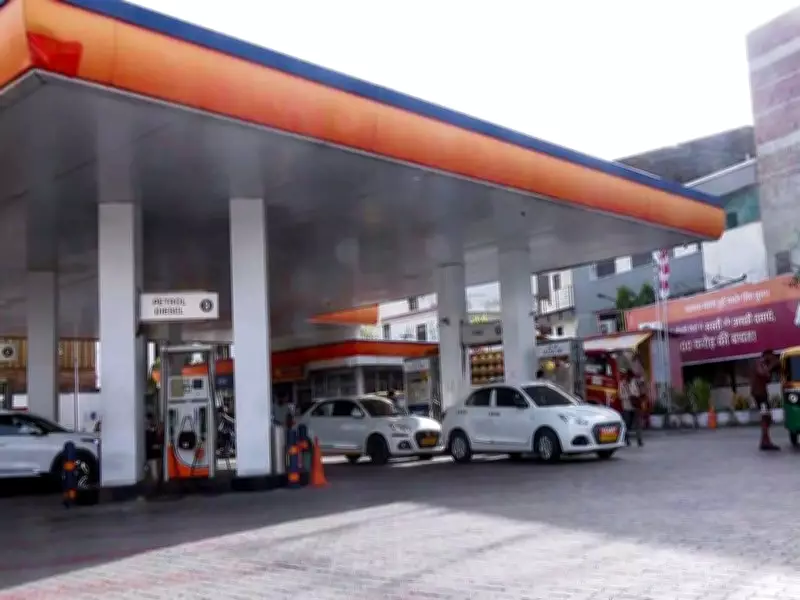
The Ministry of Petroleum and Natural Gas has acknowledged that E20 petrol is currently more expensive to produce than pure petrol at prevailing global crude oil prices. However, it emphasized that the ethanol blending programme shields Indian consumers from global oil price volatility and strengthens long-term energy security.
Cost Comparison and Economics
In a detailed clarification through frequently asked questions on the Ethanol Blended Petrol Programme, the ministry explained that the economics of ethanol depend on international crude oil prices. Maize-based ethanol is currently procured at around Rs 71.86 per litre, before GST, transportation, storage, and depot handling costs. The ministry stated: "Therefore, if international crude oil is trading at around US$70 per barrel, E20 is actually costlier to produce than pure petrol. If crude rises to US$120-130 per barrel, the economics naturally reverse and ethanol becomes even cheaper."
Protecting Consumers from Volatility
The ministry posed the question: "How did India manage to protect consumers from the full impact of volatile global crude prices?" It explained that nearly 20 per cent of every litre of petrol sold in India today is domestically produced ethanol, reducing dependence on imported crude oil and insulating part of fuel costs from international price fluctuations.

Benefits of Ethanol Blending
Looking ahead, the ministry said continued ethanol blending is expected to improve India's energy security by reducing crude oil imports, lowering foreign exchange outgo, providing greater fuel price stability, and increasing incomes for farmers. According to the ministry, the Ethanol Blended Petrol Programme has already saved more than Rs 1.97 lakh crore in foreign exchange, substituted nearly 316 lakh metric tonnes of crude oil, reduced around 952 lakh metric tonnes of carbon dioxide emissions, and transferred over Rs 1.66 lakh crore directly to farmers.
Phased Implementation
The clarification forms part of the ministry's response to concerns around the ethanol blending programme. It said India's transition to E20 has been a phased process spanning more than two decades, with consultations held with automobile manufacturers, oil marketing companies, testing agencies, and other stakeholders before implementation.