

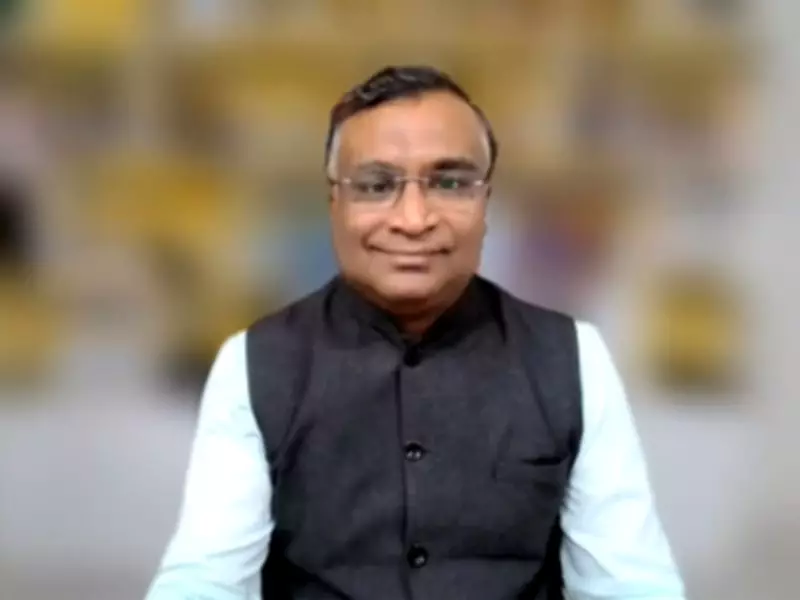
Despite prevailing global economic uncertainties, India's long-term growth trajectory remains firmly intact, according to Devarsh Vakil, Deputy Head of Retail Research at HDFC Securities. In a recent analysis, Vakil highlighted that structural reforms, robust domestic demand, and a resilient financial system are key pillars supporting the nation's economic expansion.
Key Drivers of Growth
Vakil pointed out that India's demographic dividend, with a young and increasingly skilled workforce, continues to be a significant advantage. The government's focus on infrastructure development, digitalization, and manufacturing under the 'Make in India' initiative has bolstered investor confidence. Additionally, the country's improving ease of doing business and tax reforms have created a more conducive environment for both domestic and foreign investments.
Domestic Demand Remains Strong
One of the standout features of India's economic resilience is its strong domestic consumption. Vakil noted that private consumption, which accounts for nearly 60% of GDP, has been buoyed by rising incomes and a growing middle class. The festive season and rural demand have further added to the momentum, with sectors like automobiles, consumer durables, and fast-moving consumer goods (FMCG) witnessing robust growth.

Policy Support and Fiscal Discipline
The government's commitment to fiscal consolidation, despite the need for stimulus, has been praised. The focus on capital expenditure, rather than revenue spending, is expected to create long-term assets and enhance productivity. Moreover, the Reserve Bank of India's proactive monetary policy stance has ensured adequate liquidity in the system while keeping inflation in check.
Global Headwinds: A Temporary Setback
While acknowledging the challenges posed by global factors such as rising interest rates, geopolitical tensions, and supply chain disruptions, Vakil emphasized that India is relatively insulated compared to other emerging economies. The country's foreign exchange reserves remain comfortable, and its external debt is manageable. The recent volatility in global markets is seen as a temporary phenomenon, and India's fundamentals are strong enough to weather the storm.
Sectoral Outlook
Vakil provided a positive outlook for several sectors, including information technology (IT), pharmaceuticals, and banking. The IT sector, driven by digital transformation globally, continues to see strong demand. Pharma exports are benefiting from increased healthcare spending worldwide. Meanwhile, the banking sector is experiencing a turnaround with improved asset quality and credit growth.
Investment Strategy
For investors, Vakil recommended a long-term perspective, focusing on quality stocks with strong fundamentals. He advised diversifying across sectors and staying invested through market cycles. Systematic investment plans (SIPs) in mutual funds were suggested as a disciplined approach to wealth creation.
Conclusion
In conclusion, while near-term volatility may persist due to global headwinds, India's long-term growth story remains compelling. With a proactive government, a resilient economy, and a young population, the country is well-positioned to emerge stronger. As Vakil stated, "The fundamentals are solid, and the growth trajectory is intact. Investors should not lose sight of the long-term opportunities."






