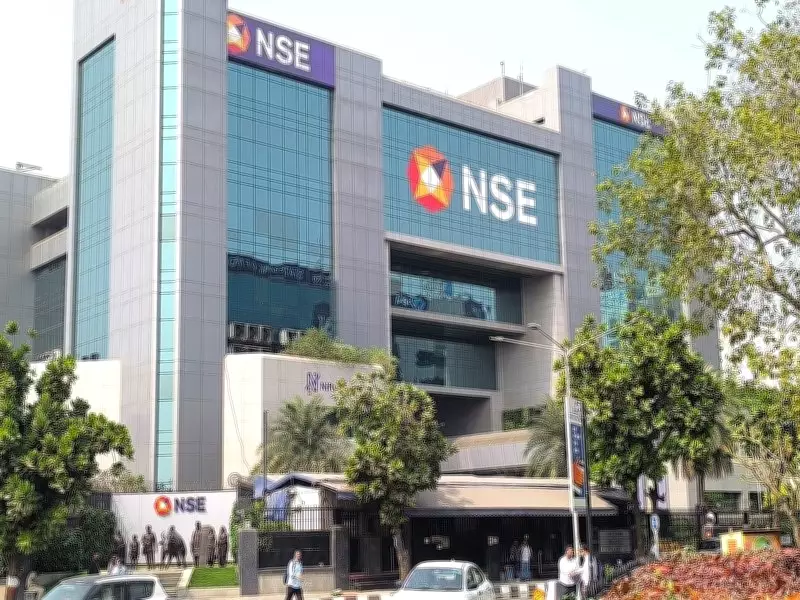
The National Stock Exchange of India (NSE) continues to solidify its leadership in the country's financial markets, commanding approximately 93% market share in cash equities during the fiscal year 2026, according to a report by Centrum. The exchange also maintained nearly 100% market share in equity futures and around 72% in equity index options, underscoring its dominance across major market segments.
Investor Base Crosses 129 Million
The report highlighted that the number of unique registered investors on NSE has grown to 129 million, reflecting increasing participation by retail investors in India's capital markets. Centrum noted that this expanding base reinforces the exchange's strong structural growth drivers.
"NSE remains a dominant franchise with strong structural growth drivers," the report stated, citing the exchange's fundamentals.

Exploring New Growth Segments
Beyond its core equity market business, NSE is exploring growth opportunities in newer segments, including commodities, electricity futures, and data and analytics businesses. Centrum said these segments are expected to support the exchange's long-term growth strategy.
Strong Financial Performance
The report pointed to NSE's robust financial performance over the past five years. Revenue from operations grew at a compound annual growth rate (CAGR) of 24% during FY21-FY26, while EBITDA and net profit expanded at a CAGR of 23% over the same period.
Although FY26 saw some moderation due to regulatory changes, lower trading activity, and one-off expenses, profitability remained strong. EBITDA margins stayed above 70% and return on equity (ROE) remained above 30%.
Outlook and Risks
Looking ahead, Centrum expects earnings growth to improve from FY27 onwards, projecting net profit to grow at around 16% CAGR during FY26-FY28. However, the report flagged certain risks: nearly 80% of NSE's revenue comes from trading-related activities, with options and futures contributing the majority of transaction income.
Regulatory measures such as higher Securities Transaction Tax (STT), tighter derivatives regulations, and revised RBI capital market exposure norms could affect trading volumes and growth. "Key risks primarily stem from concentration and regulatory factors," the report stated.
Despite these risks, Centrum said NSE's strong market position, expanding investor base, and leadership across key market segments continue to reinforce its dominance in India's financial markets.