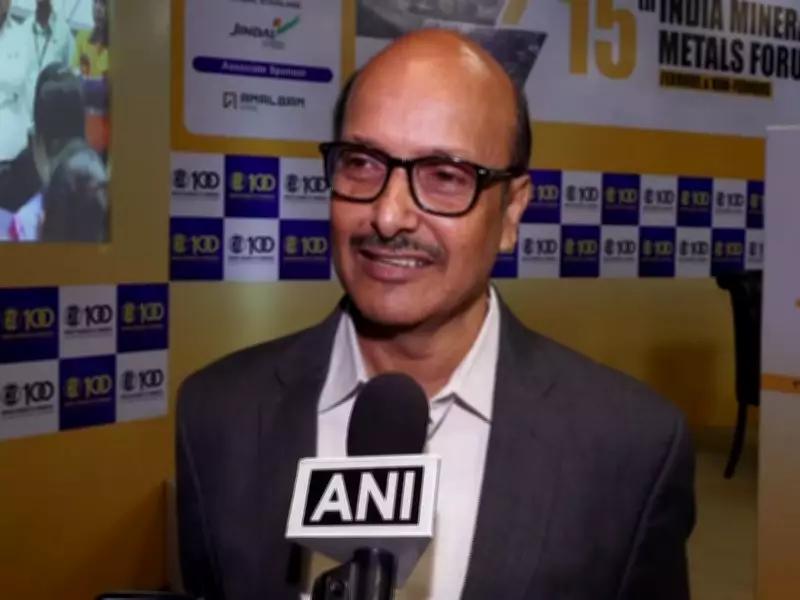
Tata Steel is targeting a significant increase in its value-added Ferro Alloys portfolio to 70-80% from the current 20%, aiming to reduce import dependence and strengthen domestic capabilities in high-end steel segments, according to Sushanta Kumar Mishra, Executive In-charge (EIC) Ferro Alloys & Minerals Division (FAMD), Tata Steel Limited.
Current Import Dependence and Strategy
Speaking at the 15th India Minerals and Metals Forum, Mishra highlighted that most inputs for specialty steel are currently imported, including value-added ferro alloys like ferrochrome. He stated, 'Our objective is to replace these imports by expanding the range of value-added products in our own portfolio.' The company intends to meet domestic requirements indigenously.
Alignment with National Steel Goals
Mishra described India's ambition to scale steel production to 500 million tonnes by 2047 as a 'dream for the country.' Tata Steel, currently producing around 24 million tonnes per annum (MTPA), aims to reach approximately 40 MTPA, focusing on sustainability. 'It is not only about increasing volumes; we also aspire to be a responsible player, keeping sustainability and the environment in mind,' he added.

New Product Development
Tata Steel is developing low-carbon steel, high-chrome products with over 65% chromium content, ultra-low silicon products, and alloys using critical minerals such as nickel. These innovations support advanced steel production to meet future demand.
Call for Policy Support
Mishra urged stronger policy support for the critical minerals sector, including clearer allocation of mining leases and initial incentives for capital-intensive projects. He emphasized that critical minerals should not be treated at par with conventional minerals in terms of royalty and policy structure. 'There should be greater clarity in the allocation of critical mineral mining leases. Second, there should be initial government support, subsidies and policy incentives to promote investment,' he said. Such measures would accelerate investments in technologically complex segments, strengthening India's self-reliance in critical steel inputs.