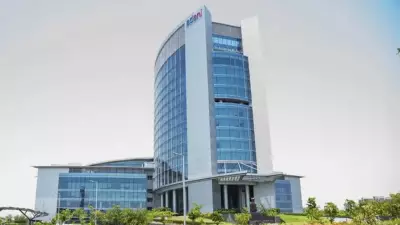
Bangladesh's central bank has taken a significant step to revive the nation's industrial sector by injecting USD 4.9 billion into the economy. This move is aimed at restarting factories that have been forced to close due to various economic pressures. The injection is part of a broader strategy to stabilize the economy and protect millions of jobs that depend on the manufacturing sector.
Details of the Injection
The Bangladesh Bank announced the injection of this substantial amount to provide liquidity to the industrial sector. The funds are intended to help factory owners pay off debts, purchase raw materials, and resume operations. This initiative is expected to benefit a wide range of industries, including the crucial ready-made garment sector, which is a major contributor to the country's exports.
Economic Context
Bangladesh has been facing economic headwinds, including rising inflation, energy shortages, and a decline in foreign exchange reserves. The closure of factories has exacerbated unemployment and reduced export earnings. The central bank's intervention aims to mitigate these issues and restore confidence in the economy.

Impact on Employment
The factory closures have left thousands of workers jobless. By restarting these factories, the government hopes to re-employ these workers and stabilize the labor market. The textile and garment industry alone employs over 4 million people, making it vital for social and economic stability.
Reactions and Future Outlook
Industry leaders have welcomed the move, calling it a timely and necessary step. However, some experts caution that without structural reforms and improved energy supply, the impact may be limited. The central bank has assured that it will monitor the situation closely and may consider further measures if needed. The success of this injection will depend on its implementation and the overall economic environment.
In conclusion, the USD 4.9 billion injection by the Bangladesh Bank represents a major effort to revive the country's industrial sector. While challenges remain, this move provides a lifeline to closed factories and their workers, offering hope for economic recovery in the near future.