

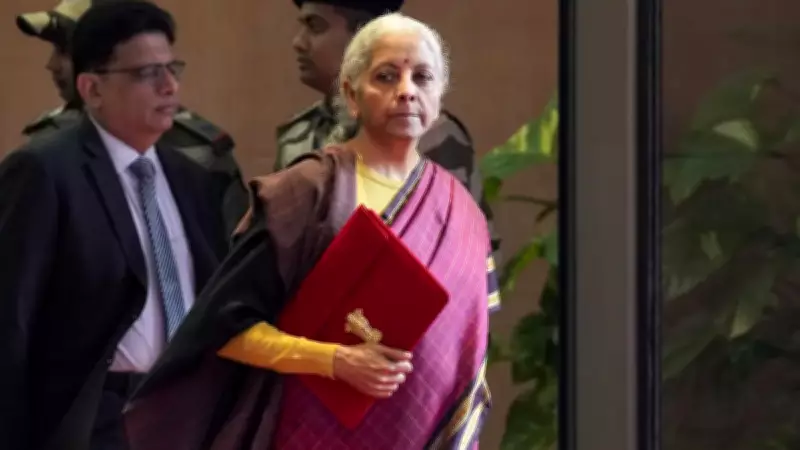
Budget 2026 Unveils Major Initiative for Archaeological Sites and Heritage Tourism
The Union Budget for the fiscal year 2026-27, presented today, has introduced a landmark initiative aimed at revitalizing India's rich archaeological heritage and boosting heritage tourism. This comprehensive plan includes substantial financial allocations and strategic measures designed to preserve historical sites while promoting them as key tourist destinations.
Enhanced Funding for Archaeological Preservation
A significant portion of the budget has been earmarked specifically for the conservation and development of archaeological sites across the country. The government has recognized the urgent need to protect these invaluable cultural assets from environmental degradation and human encroachment. The funds will be utilized for advanced restoration techniques, improved site management, and the installation of modern visitor facilities.
Key objectives of this initiative include:

- Strengthening the infrastructure at major archaeological sites to enhance accessibility and safety for tourists.
- Implementing state-of-the-art conservation methods to ensure the long-term preservation of historical monuments and artifacts.
- Developing comprehensive digital archives and virtual tours to make India's heritage more accessible to a global audience.
Boosting Heritage Tourism for Economic Growth
In addition to preservation efforts, the budget places a strong emphasis on leveraging archaeological sites to drive heritage tourism. This sector is seen as a vital component of India's economic strategy, with the potential to generate employment, stimulate local economies, and increase foreign exchange earnings.
The government aims to create a seamless tourism experience by integrating archaeological sites with nearby cultural attractions, local handicrafts, and traditional cuisines. Special packages and promotional campaigns will be launched to attract both domestic and international tourists, highlighting India's diverse historical legacy.
Expected outcomes from the heritage tourism push:
- Creation of new job opportunities in tourism, hospitality, and related sectors, particularly in rural and semi-urban areas.
- Increased revenue from tourism, contributing to the overall growth of the Indian economy.
- Enhanced global recognition of India as a premier destination for cultural and heritage tourism.
Strategic Implementation and Future Prospects
The successful execution of this initiative will require close collaboration between central and state governments, as well as partnerships with private stakeholders and local communities. The budget outlines a phased approach, with pilot projects set to begin in the coming months at select high-potential sites.
Looking ahead, the government envisions a transformed landscape where archaeological sites are not only preserved but also serve as dynamic hubs for education, research, and sustainable tourism. This forward-thinking strategy aligns with broader national goals of cultural promotion and economic diversification.
In conclusion, Budget 2026 marks a pivotal moment for India's archaeological and tourism sectors. By investing in the past, the government is paving the way for a prosperous future, where heritage becomes a cornerstone of national pride and economic vitality.






