

India's economic trajectory is facing a triple threat from global trade headwinds, climate uncertainties, and domestic fiscal pressures, according to a leading ratings agency. The warning comes at a critical juncture, just ahead of the formulation of the national budget for the upcoming fiscal year.
Growth Forecast Revised Amid Intensifying Global Risks
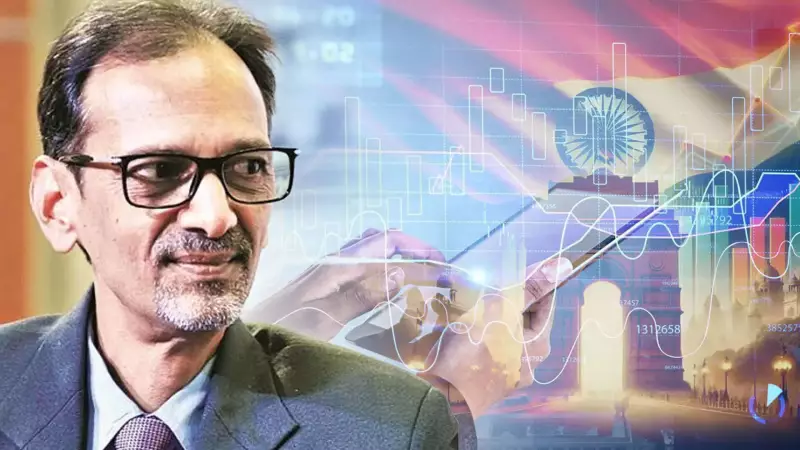
India Ratings & Research has projected that the country's GDP growth could moderate to around 6.9 percent in the next fiscal year (FY27). This assessment, made in early January 2026, points to a slowing growth engine at a time when international risks are becoming more pronounced. Chief Economist Devendra Kumar Pant emphasized that these projections are subject to change, particularly with an impending revision of India's GDP base year on the horizon.
Currently, the economy is being propelled by consumption demand, which continues to find support from rural spending. However, this momentum is vulnerable to emerging threats. Pant identified rising global tariffs as the single biggest external danger, cautioning that if high tariff walls persist, India might be compelled to introduce new policy measures to sustain growth.

Domestic Vulnerabilities: Climate and Fiscal Stress
On the domestic front, a significant climate risk looms. A potential El Nino event in 2026 could severely impact agricultural output, which in turn would dampen rural income and consumption—a key pillar of current economic expansion.
Simultaneously, the government's fiscal math is under strain. The agency flagged that tax revenues might fall short of budget estimates by nearly Rs 2 lakh crore. This shortfall adds pressure to an already complex fiscal landscape. Furthermore, while credit growth in the banking system is showing signs of picking up, it is not being matched by deposit growth, indicating potential liquidity constraints ahead.
Crossroads for Policy and Global Integration
India's external balances remain under pressure, adding another layer of complexity. The nation finds itself at a policy crossroads as it actively pursues new trade agreements and debates reforms in customs duty structures. The outcome of these efforts, coupled with unpredictable global policy shifts, is expected to decisively influence India's growth outcomes throughout 2026.
In summary, the Indian economy is navigating a challenging period where supportive domestic consumption is being counterbalanced by formidable external shocks and internal fiscal challenges. The upcoming budget and strategic policy responses will be crucial in steering the country through this period of intensified global volatility.






