The recent surge in fuel prices has placed Bengaluru's gig economy under significant strain, with autorickshaw unions and ride-hailing driver groups gearing up for crucial discussions with platform representatives in the coming week. These meetings are aimed at demanding immediate fare revisions and improved fuel compensation to offset the escalating operational costs.
Impact on Drivers and Commuters
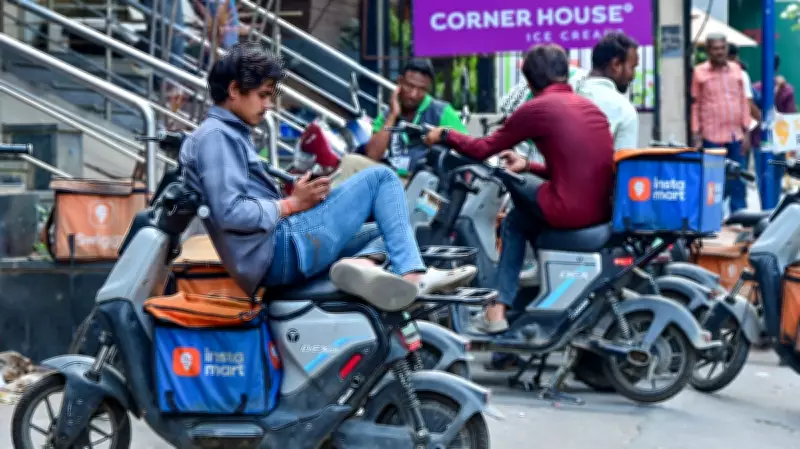
The price hike has directly affected the earnings of thousands of drivers who rely on daily trips to make a living. Many have reported a sharp decline in net income, as the increased fuel expenses eat into their profits. Commuters, too, are feeling the pinch, with some drivers already charging extra or refusing trips to less profitable areas.
Union Demands
Autorickshaw unions and driver collectives have outlined several key demands:

- Fare Revision: A minimum fare increase of 15-20% to align with current fuel costs.
- Fuel Compensation: A transparent mechanism for fuel surcharges that adjusts dynamically with price changes.
- Platform Support: Reduced commission rates from ride-hailing apps during periods of high fuel prices.
Broader Implications for the Gig Economy
This development underscores the vulnerability of gig workers to external economic shocks. Unlike traditional employees, gig workers bear the brunt of input cost increases without any safety net. The outcome of these negotiations could set a precedent for how platforms handle such crises in the future.
Industry Response
Ride-hailing companies have acknowledged the concerns and stated that they are reviewing the proposals. However, they have also emphasized the need to balance driver earnings with affordable fares for customers. Analysts suggest that a temporary surcharge or a revised pricing model may be the most likely outcome.
As Bengaluru grapples with this challenge, all eyes are on the upcoming talks. The resolution will not only affect the livelihoods of thousands but also shape the resilience of the gig economy in India's tech capital.