GST rules create cash flow mismatch for small firms
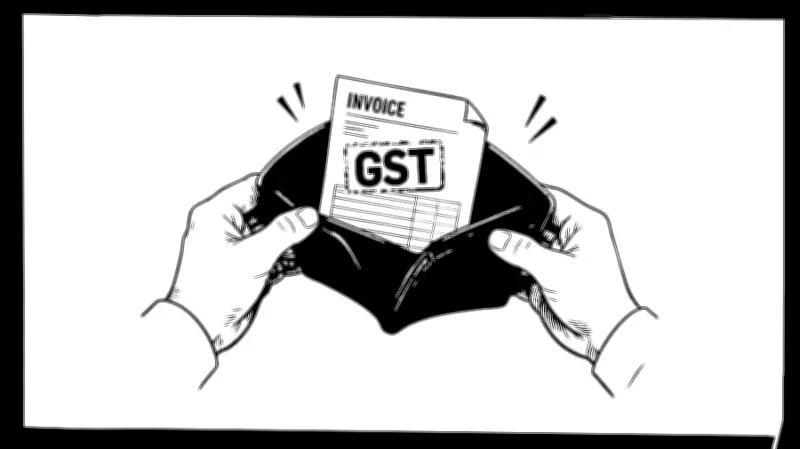
India's micro, small and medium enterprises (MSMEs) are caught in a tax trap where Goods and Services Tax (GST) rules require them to pay tax on invoices issued, even when payments from buyers are delayed for months. This accrual-based taxation system forces small firms to pay GST from their own pockets, squeezing their working capital and threatening their survival.
Delayed payments compound the problem
According to a study by the Federation of Indian Micro and Small & Medium Enterprises (FISME), over 60% of MSMEs face payment delays of 90 days or more. Large corporate buyers often delay payments by 120-180 days, while GST must be paid within 20 days of the invoice date. This mismatch creates a severe cash flow crisis for small businesses, many of which operate on thin margins of 2-5%.
"The GST system is designed for a world where payments are made on time, but the reality is very different. Small firms are forced to borrow at high interest rates to pay tax on money they haven't received," said Anil Bhardwaj, Secretary General of FISME.

Impact on MSME growth and survival
The cash flow squeeze has led to a rise in defaults and closures among MSMEs. Data from the Ministry of Micro, Small and Medium Enterprises shows that the number of registered MSMEs filing for bankruptcy increased by 35% in the last financial year. Many small firms are forced to delay payments to their own suppliers, creating a cascading effect across the supply chain.
The government's Micro and Small Enterprises Facilitation Council (MSEFC) handles complaints of delayed payments, but the process is slow and cumbersome. Only about 20% of cases are resolved within six months, leaving most firms waiting for months or years to recover their dues.
Proposed solutions and reforms
Experts suggest that the GST system should be aligned with actual cash flows, allowing MSMEs to pay tax only when they receive payment from buyers. This cash-based GST system, similar to the one used for composition scheme taxpayers, would ease the burden on small firms. Another proposal is to reduce the GST rate for MSMEs or provide a tax credit for delayed payments.
"The government should introduce a mechanism where GST is payable only on realized receipts, not on accrued invoices. This would give small businesses the breathing space they need to survive and grow," said Rajeev Dimri, National Tax Leader at BDO India.
The government has taken some steps, such as increasing the threshold for GST registration and simplifying the return filing process, but more needs to be done to address the fundamental mismatch between tax payment and cash flows.
Need for a comprehensive MSME policy
MSMEs contribute about 30% to India's GDP and employ over 110 million people. The tax trap not only threatens individual businesses but also the broader economy. A comprehensive policy that addresses delayed payments, simplifies GST compliance, and provides access to affordable credit is urgently needed.
"India's micro-enterprises deserve a GST system that aligns with cash flows, not unpaid invoices. Without such reforms, the MSME sector will continue to struggle, and the government's goal of making India a $5 trillion economy will remain elusive," wrote Ajit Ranade in his opinion piece.