The government on Wednesday stated that it is proceeding with its planned capital expenditure, developmental spending, and subsidy payments, with no budget cuts in the pipeline. This clarification comes days after Prime Minister Narendra Modi urged a reduction in non-essential expenditures such as overseas weddings, fuel consumption, and fertilizer use. Officials emphasized that there is no plan for austerity, which typically implies budget cuts, reduced government spending, lower subsidies, and fiscal tightening.
Spending More Wisely, Not Less
An official explained, "PM Modi's appeal is not about spending less. It is about spending more wisely by reducing fuel consumption, avoidable dependence on imported goods, and foreign-currency-intensive services. The government is not implementing austerity measures, which carry negative economic connotations."
Record Capital Expenditure
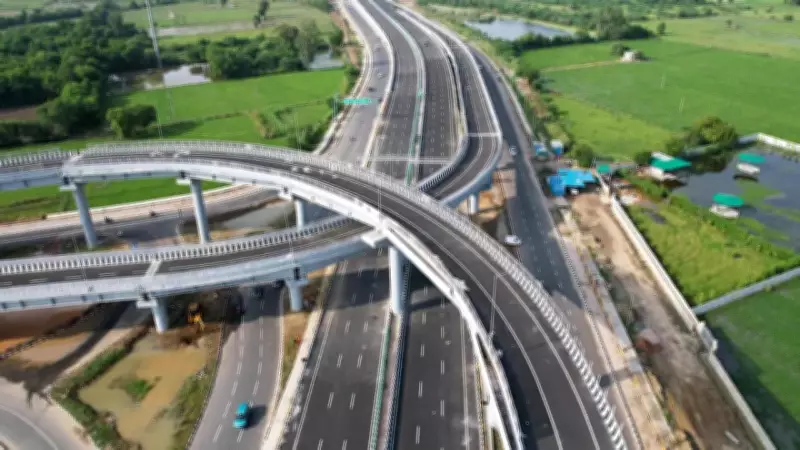
The government has budgeted a record capital expenditure of Rs 12.2 lakh crore, largely allocated for highways and railways. Since the pandemic, the Centre has increased capex to generate a multiplier effect, boosting demand for steel and cement, maintaining strong employment levels, and encouraging private sector expansion. Higher spending is also seen as crucial for sustaining demand, especially with forecasts of a weak monsoon that could impact rural demand.

Impact of Global Factors
Given that private spending may suffer due to the West Asia conflict, the government hopes its capex plans will sustain economic momentum until normalcy returns. Additionally, rising oil and gas prices are expected to increase fertilizer costs, potentially pushing the subsidy bill beyond Rs 2 lakh crore. Oil companies may also require compensation for selling cooking gas cylinders below market rates.
Fiscal Deficit Concerns
Economists project pressure on the fiscal deficit, which is budgeted at 4.3% of GDP this year. Despite these challenges, the government remains committed to its spending plans to support economic growth.