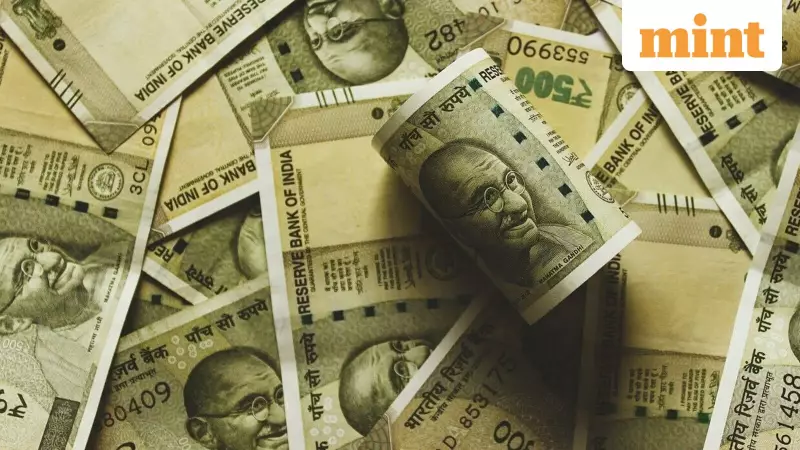
The Indian rupee extended its gains for a second straight session on Wednesday, bolstered by suspected heavy dollar sales from state-run banks, which market participants widely attributed to the Reserve Bank of India (RBI). This intervention successfully countered pressure from weaker regional currencies and helped the rupee breach a key psychological level.
RBI's Strategic Intervention Reverses Downward Trend
According to nine traders, the RBI stepped into the forex market aggressively, leading to significant dollar sales that propelled the local currency past the 90-per-dollar mark. The rupee closed at 89.88 against the US dollar, marking a 0.3% appreciation from its previous close of 90.1650. During the session, it even touched an intraday high of 89.86, achieving its strongest closing level in a week.
This move by the central bank mirrored its strategy from the previous year, where it frequently intervened to disrupt one-way speculative bets on the currency. Bankers noted that past interventions occurred when markets built up large long-dollar positions, anticipating a steady depreciation of the rupee. Before Wednesday's action, the rupee had declined by approximately 1% over the preceding two weeks.

Persistent Headwinds for the Local Currency
Despite the RBI's support, the rupee continues to face significant challenges. A major pressure point is the ongoing foreign institutional investor (FII) selling in Indian equity markets, a trend that began in 2025 and has continued into the new year. Additionally, lingering uncertainty surrounding a potential U.S.–India trade deal is weighing on sentiment, creating an overhang for the currency.
Analyst Outlook: Range-Bound with a Cautious Eye on Flows
Global investment bank Goldman Sachs provided its perspective in a recent note. It suggested that India's resilient macroeconomic fundamentals and a potential improvement in capital flows—once U.S.-related trade uncertainties diminish—should help alleviate pressure on the rupee. However, the bank expects the currency to trade within a range.
This range-bound movement is anticipated as the RBI is likely to focus on rebuilding its foreign exchange reserves if portfolio inflows into India recover. Goldman Sachs forecasts the rupee to be around 89.50 against the dollar in three months and potentially weaken to 91 in six months.
The central bank's proactive stance underscores its commitment to curbing excessive volatility and ensuring orderly market conditions, even as global and domestic crosscurrents test the currency's resilience.