Bengaluru Federation Issues Advisory for Electric Cooking to Combat LPG Shortage
In response to growing concerns over a potential LPG shortage, the Bangalore Apartments' Federation (BAF) has released a crucial advisory urging residents to shift towards electric cooking appliances. The federation emphasizes the need for responsible consumption practices to alleviate pressure on the LPG supply system.
Embracing Electric Alternatives for Daily Cooking
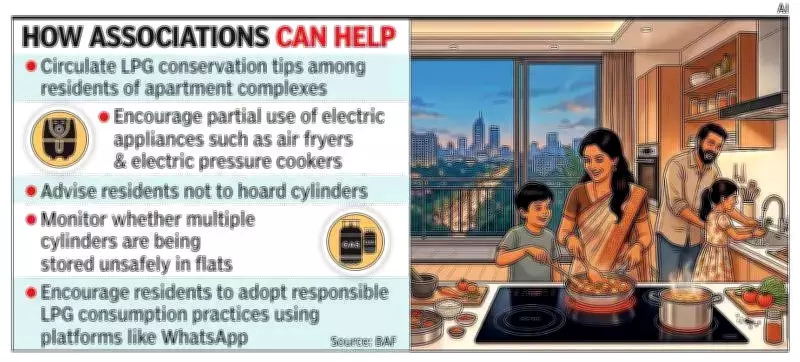
The advisory specifically recommends utilizing induction cooktops for boiling water and routine cooking tasks. For preparing curries, rice, and lentils, electric pressure cookers are highlighted as an efficient alternative. Additionally, air fryers and electric grills are suggested for frying and roasting purposes, offering a versatile solution for various culinary needs.
According to the BAF, adopting these electric devices for 30-40% of cooking activities can lead to a significant reduction in LPG consumption across the community. This proactive approach aims to mitigate the impact of any supply disruptions and promote sustainable energy use.

Avoiding Panic and Promoting Efficient Practices
The federation has also cautioned residents and apartment management committees against panic booking and stockpiling of LPG cylinders. Booking multiple cylinders unnecessarily could strain the distribution system, exacerbating the shortage situation. Instead, the focus is on encouraging measured and efficient usage.
Practical Tips to Extend LPG Cylinder Life
To further support conservation efforts, the BAF provides actionable tips that can help extend the life of an LPG cylinder by 15-20%:
- Regularly clean burners to ensure an efficient flame.
- Use the correct burner size that matches your utensils.
- Keep vessels covered while cooking to retain heat.
- Utilize pressure cookers whenever possible to reduce cooking time.
- Avoid keeping the flame on unnecessarily during food preparation.
These measures, combined with the adoption of electric cooking appliances, are designed to foster a community-wide effort towards energy efficiency and resilience in the face of supply challenges.