

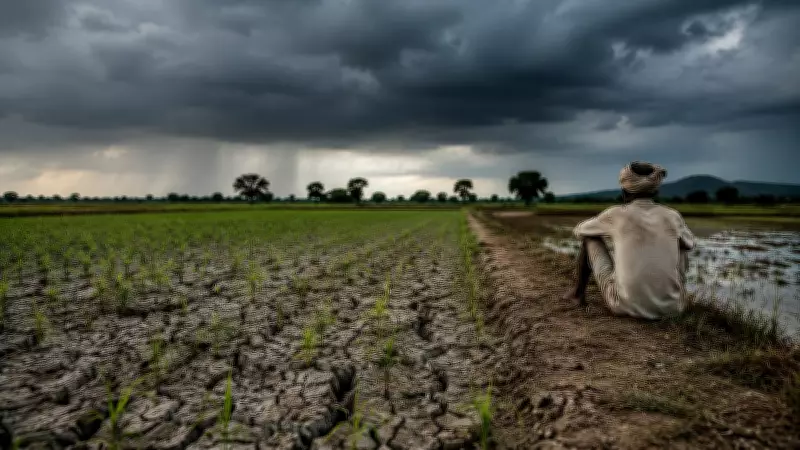
As of 23 June 2026, India faces a 43% monsoon deficit, putting 111 districts across the country at high vulnerability and threatening kharif sowing. The India Meteorological Department (IMD) reported that the cumulative rainfall from 1 June to 23 June was 43% below the long-period average, with significant shortfalls in central, western, and southern regions.
Monsoon Deficit and Affected Regions
The deficit is most acute in the Marathwada, Vidarbha, and Madhya Maharashtra subdivisions, where rainfall deficits exceed 60%. Other regions, including Saurashtra and Kutch, Gujarat, and parts of Rajasthan, have also received less than half of normal rainfall. According to the IMD, 111 districts have been classified as 'highly vulnerable' due to the combination of low rainfall and poor soil moisture.
Impact on Kharif Sowing
The delayed and deficient monsoon has severely impacted kharif sowing, which typically begins in June with the onset of the monsoon. As of 23 June, sowing of key crops like paddy, pulses, and oilseeds is lagging behind last year's pace. The Ministry of Agriculture reported that total sown area for kharif crops is down by 15% compared to the same period in 2025. Paddy sowing, in particular, has been delayed in major producing states like Punjab, Haryana, and Uttar Pradesh.

"The situation is critical for farmers in the vulnerable districts," said a senior agriculture ministry official. "We are monitoring the situation closely and have advised states to ensure timely distribution of seeds and fertilizers."
Reservoir Levels: A Mixed Picture
Despite the rainfall deficit, reservoir levels across the country are currently higher than last year. The Central Water Commission (CWC) data shows that live storage in 146 major reservoirs is 85% of the 10-year average, compared to 78% at the same time last year. However, levels are declining rapidly due to lack of rainfall and increased water usage for irrigation.
In the southern region, reservoir storage is 90% of the average, while in the western region it is 82%. The northern and central regions have storage levels at 88% and 80% of average, respectively. The CWC has warned that if the monsoon does not pick up in the coming weeks, water availability for both drinking and irrigation could become a concern.
Government Response and Outlook
The government has activated contingency plans for the vulnerable districts, including the provision of drought-resistant seeds and alternative cropping options. The IMD has forecast that monsoon rains are likely to improve in the last week of June, with a low-pressure system expected to develop over the Bay of Bengal. However, the overall forecast for July remains uncertain.
"We are hopeful that the monsoon will revive soon," said an IMD official. "But farmers should be prepared for a possible prolonged dry spell."
The agriculture ministry has also advised states to expedite sowing in areas where rainfall has been adequate and to consider crop diversification in regions with severe deficit. The situation remains fluid, and further updates are expected as the monsoon season progresses.






