

West Bengal Government to Rename Streets with Colonial and Mughal Links
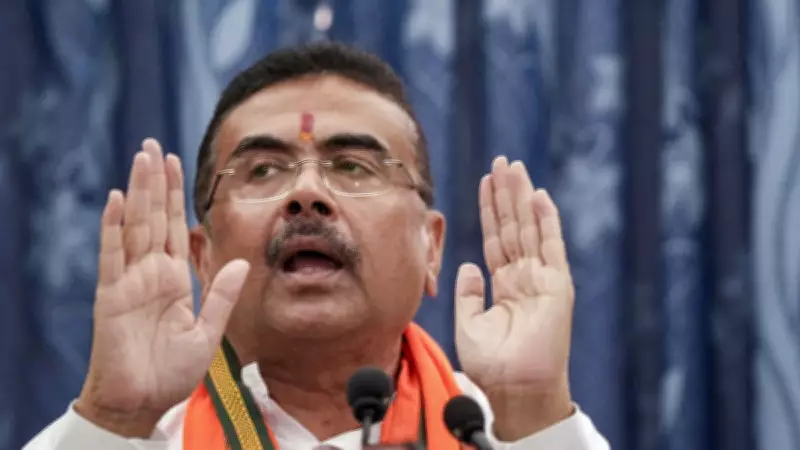
West Bengal Chief Minister Suvendu Adhikari announced on Tuesday that no street in Kolkata will bear the names of Mughals, Pathans, or oppressive British rulers. Speaking in the state Assembly during a discussion on the governor's address, he declared the formation of a committee to review and recommend changes to road and area names across the city.
The move is part of a broader effort to erase symbols of colonial and foreign domination from public spaces. Adhikari stated that the committee would submit its report within three months, after which the government will take necessary steps to implement the changes.
Committee to Review Road and Area Names
The committee will include historians, urban planners, and representatives from local bodies. Its mandate is to identify streets, squares, and localities named after figures from the Mughal Empire, the Pathan rulers, or British administrators perceived as oppressive. The chief minister emphasized that the initiative aims to reflect the true cultural heritage of Bengal and honor local heroes instead.

Adhikari said, "We cannot continue to glorify those who subjugated our people. Our streets should inspire pride, not remind us of subjugation." The announcement has sparked debate, with some opposition members questioning the timing and necessity of the move.
Focus on Indigenous and Revolutionary Figures
The committee is expected to propose names of indigenous freedom fighters, revolutionaries, and cultural icons for the renamed streets. This aligns with the government's policy of promoting local history and identity. Similar renaming exercises have been undertaken in other Indian states, such as Uttar Pradesh and Madhya Pradesh, where cities like Allahabad were renamed Prayagraj.
Kolkata, the former capital of British India, has numerous streets named after British officials like Warren Hastings, Lord Curzon, and Wellesley, as well as Mughal figures like Shah Jahan. The decision could affect several prominent roads in the city's central and northern areas.
Reactions and Political Implications
While the ruling party supports the move as a correction of historical wrongs, critics argue that it is a diversion from pressing issues like inflation and unemployment. Some opposition leaders have called for a more inclusive approach, suggesting that the committee should also consider preserving names that have historical significance beyond colonial oppression.
Adhikari dismissed these concerns, asserting that the government is committed to reclaiming public spaces from symbols of oppression. The committee's formation is expected to be completed within a fortnight, and its recommendations will be binding on municipal authorities.






