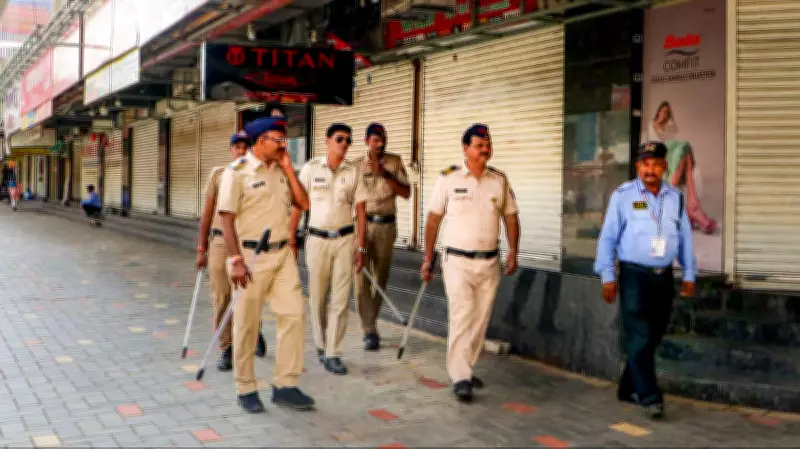
Nationwide Bharat Bandh Scheduled for February 12, 2026: Comprehensive Guide to Service Disruptions
In a significant development, central trade unions across India have officially announced a nationwide general strike, commonly referred to as a Bharat Bandh, set to take place on February 12, 2026. This coordinated action is expected to cause widespread disruptions to essential services, including banking, transportation, and various government operations. The announcement, made public on February 11, 2026, has prompted authorities and citizens alike to prepare for potential closures and delays.
Expected Impact on Key Sectors
The Bharat Bandh is projected to have a profound effect on multiple critical sectors of the economy and public life. Trade unions are mobilizing their members to participate in the strike, which could lead to partial or complete shutdowns in affected areas. Here is a detailed breakdown of what is likely to be open and closed during this period:
- Banking Services: Many banks, especially public sector banks, may operate with reduced staff or close entirely, impacting transactions, loan processing, and customer service.
- Transportation Networks: Public transport systems, including buses, trains, and metro services, could face significant disruptions, with possible cancellations or delays in major cities and rural regions.
- Government Offices: Various government departments and offices might remain shut or function with minimal staff, affecting administrative services, document processing, and public inquiries.
- Educational Institutions: Schools and colleges in strike-affected zones may declare holidays or operate with limited activities, depending on local advisories.
- Healthcare Facilities: While emergency medical services are expected to continue, non-essential healthcare appointments and outpatient departments could experience delays.
Background and Reasons for the Strike
The decision to call for a Bharat Bandh stems from longstanding grievances held by trade unions regarding labor policies, wage issues, and social security measures. Over the years, these unions have organized similar strikes to voice their demands and seek governmental intervention. The February 12, 2026 strike is part of this ongoing effort, aiming to draw attention to critical labor rights and economic justice concerns. Historically, such bandhs have seen varying levels of participation across states, with some regions experiencing more severe impacts than others.

Trade union leaders have emphasized that the strike is a peaceful protest intended to highlight the plight of workers and advocate for policy reforms. They urge the public to understand the necessity of this action, even as it may cause temporary inconveniences. In response, government officials are monitoring the situation closely and may issue guidelines to mitigate disruptions, particularly for emergency services and essential commodities.
Preparations and Public Advisory
As the Bharat Bandh approaches, citizens are advised to plan ahead to minimize inconvenience. Here are some key recommendations:
- Check Local Updates: Stay informed through official announcements from local authorities and news sources regarding specific closures in your area.
- Alternative Arrangements: Consider rescheduling non-urgent bank visits, travel plans, or government-related work to avoid strike days.
- Emergency Preparedness: Ensure access to essential supplies and medications, as some shops and pharmacies might have limited hours.
- Support Services: Be aware that while core emergency services like police and hospitals will function, response times could be slower due to increased demand.
The Bharat Bandh on February 12, 2026, represents a critical moment in India's labor movement, with potential ripple effects across the nation's daily life. By understanding the scope of disruptions and taking proactive measures, individuals and businesses can better navigate this period of protest and advocacy.