Nationwide Bharat Bandh Disrupts Services Across India
Trade unions and the Samyukt Kisan Morcha (SKM) have launched a comprehensive Bharat Bandh today, February 12, 2026, to protest against the government's labour law reforms and the recently signed India-US trade agreement. This nationwide shutdown is expected to significantly impact various sectors, including transportation, banking, and public services, as workers and farmers unite in a show of dissent.
Key Demands and Protest Details
The protest, organized by a coalition of major trade unions and the SKM, aims to draw attention to what participants describe as anti-worker policies and unfair trade practices. The labour reforms in question involve changes to existing laws that unions argue could undermine job security and workers' rights, while the India-US deal is criticized for potentially harming domestic industries and agriculture.
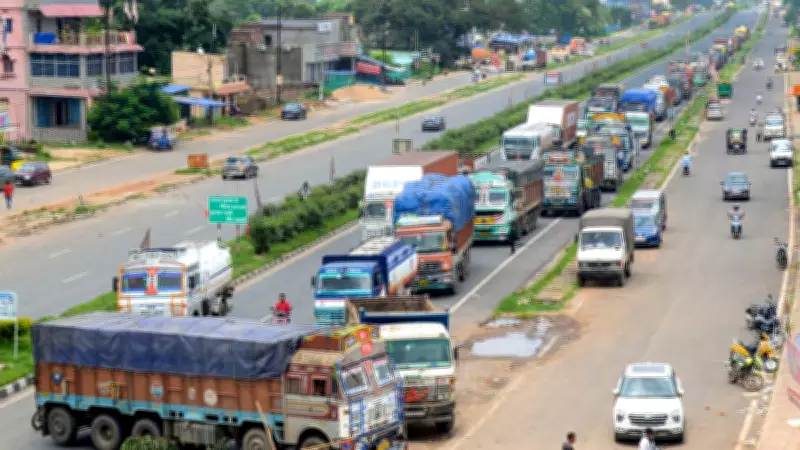
Live updates indicate that the bandh has led to disruptions in several states, with reports of road blockades, closed markets, and halted public transport. Essential services such as hospitals and emergency response units are largely exempt, but many businesses and educational institutions have chosen to remain shut in solidarity or due to safety concerns.

Impact on Daily Life and Economy
The Bharat Bandh is causing widespread inconvenience for citizens, with commuters facing difficulties due to reduced or non-operational public transportation. Banking operations are also affected, as many bank employees have joined the strike, leading to delays in financial transactions and services.
Economists warn that such large-scale protests could have a short-term negative impact on the economy, particularly in sectors like retail, logistics, and manufacturing. However, union leaders emphasize that the bandh is a necessary step to pressure the government into reconsidering its policies, which they believe could have long-term detrimental effects on workers and farmers.
Government Response and Future Outlook
As of now, the government has not issued an official statement regarding the bandh, but sources indicate that authorities are monitoring the situation closely to maintain law and order. Previous protests by similar groups have led to negotiations, and there is speculation that this bandh might prompt discussions between union representatives and policymakers.
The success and duration of the Bharat Bandh will depend on public participation and the government's willingness to engage with the protesters' demands. Observers note that this event highlights ongoing tensions between labor rights and economic reforms in India, with potential implications for future policy decisions and international trade relations.