

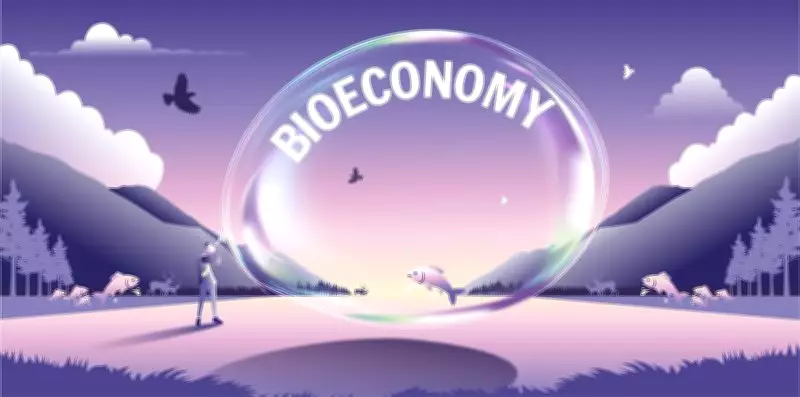
The Bioeconomy Bubble: An Inflated Promise?
In recent years, the bioeconomy has been hailed as a revolutionary force, promising to transform industries from agriculture to energy with sustainable, biology-based solutions. However, a growing chorus of experts is sounding the alarm, suggesting that this rapid expansion is more bubble than breakthrough. The hype surrounding bioeconomic growth may be significantly overstated, masking underlying challenges that threaten its long-term viability.
What Is Driving the Inflation?
The bioeconomy encompasses sectors that use biological resources—such as plants, animals, and microorganisms—to produce goods, services, and energy. Proponents tout its potential to reduce carbon emissions, enhance food security, and create green jobs. Yet, several factors are inflating this bubble:
- Overoptimistic Projections: Many forecasts predict exponential growth, often based on idealistic scenarios that ignore practical constraints like scalability and cost.
- Investment Frenzy: Venture capital and government funding have poured into bioeconomy startups, driven by environmental concerns and technological optimism, sometimes without rigorous due diligence.
- Media and Policy Hype: Sensational headlines and ambitious policy targets, such as net-zero goals, have created a narrative of inevitability, overshadowing the complex realities of implementation.
The Reality Check: Sustainability and Regulatory Hurdles
Behind the inflated numbers lie significant obstacles. The bioeconomy's reliance on biological systems introduces vulnerabilities, such as resource competition with food production and biodiversity loss. For instance, biofuel crops can lead to deforestation or water scarcity if not managed sustainably. Moreover, regulatory frameworks are often lagging, struggling to keep pace with innovations in genetic engineering or bioprocessing. This creates uncertainty for businesses and can stall projects that require clear guidelines.

As one analyst notes, "The bioeconomy is not a silver bullet; it's a complex ecosystem that demands careful balancing of economic, environmental, and social factors." Without addressing these issues, the bubble risks bursting, leaving behind wasted investments and unmet expectations.
Case Studies: Where the Bubble Shows Cracks
Examples from around the world illustrate the disconnect between hype and reality. In some regions, bio-based plastics have faced consumer resistance due to higher costs and performance issues compared to traditional alternatives. Similarly, algae-based biofuels, once touted as a clean energy solution, have struggled with production inefficiencies and high operational expenses. These cases highlight how technological promise does not always translate to market success, especially when economic viability is overlooked.
Moving Forward: A Path to Sustainable Growth
To deflate the bubble and foster genuine progress, stakeholders must adopt a more measured approach. This includes:
- Realistic Assessments: Basing growth projections on empirical data and pilot studies rather than speculative models.
- Integrated Policies: Developing coherent regulations that support innovation while safeguarding environmental and public health.
- Public Engagement: Educating consumers and communities about the benefits and limitations of bioeconomy products to build trust and demand.
By tempering enthusiasm with pragmatism, the bioeconomy can evolve from an inflated bubble into a resilient, sustainable pillar of the global economy. The journey requires patience, collaboration, and a willingness to confront hard truths—lest the bubble pop prematurely.






