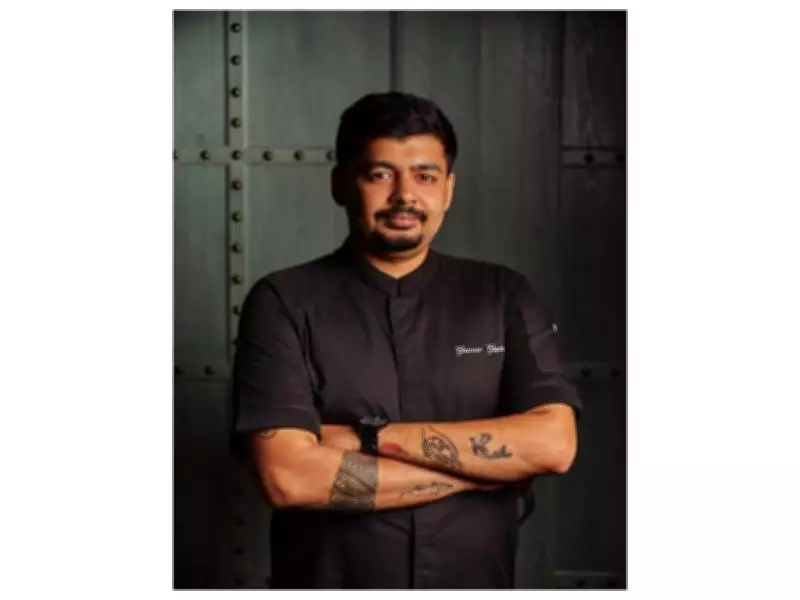
Chef Gaurav Gupta, Executive Chef of JHOL Kuala Lumpur, asserts that India's regional cuisines are poised to define the future of fine dining, moving beyond the limited repertoire of butter chicken, naan, and biryani that has long dominated international menus. This shift reflects a growing global curiosity about regional traditions, indigenous ingredients, and lesser-known recipes, presenting an opportunity for chefs to showcase the complexity of Indian food.
From Familiar Dishes to Regional Storytelling
Gupta, who has worked at Indian Accent in New Delhi and internationally at JHOL Bangkok and Haoma in Thailand, observes that global diners are increasingly receptive to unfamiliar flavors. Rather than simplifying Indian cuisine, he argues that restaurants should highlight its diversity. "People often associate Indian food with just a handful of familiar dishes," says Gupta. "Every region has its own ingredients, traditions, and stories. Our responsibility is to present those traditions in a way that remains authentic while connecting with today's diners."
This philosophy extends beyond recipe development. This year, Gupta is traveling across Goa, Coorg, Kerala, Madurai, and Kolkata, spending time in family kitchens, local markets, and traditional restaurants to study coastal food cultures. His goal is not to collect recipes but to understand the people, ingredients, and practices that have preserved these cuisines for generations.

Research-Driven Menu Development
The research will eventually shape a new seasonal menu at JHOL Kuala Lumpur, but Gupta insists the objective is not replication. Fine dining, he believes, should interpret regional cuisines with respect rather than reinvent them for novelty. The growing emphasis on regional narratives mirrors a broader evolution within global hospitality. Diners increasingly want to know where ingredients come from, why certain cooking techniques exist, and how local traditions have shaped a dish over time. Provenance has become as important as flavor.
For Indian cuisine, this creates space to move beyond familiar stereotypes. Coastal recipes from Kerala, seafood traditions from Goa, fermented preparations from the eastern states, and indigenous spice blends from lesser-explored regions are gradually finding their place in international restaurants.
Multicultural Influence and Cultural Identity
Gupta's own culinary philosophy has been shaped by multicultural kitchens across India, Thailand, Malaysia, and the Maldives. Working alongside chefs from different countries expanded his technical perspective while reinforcing the importance of preserving cultural identity. "The more we understand where our food comes from," he says, "the more confidently we can share it with the world."
As Indian cuisine continues to gain international recognition, chefs like Gupta are demonstrating that the next chapter of its global journey may not depend on creating something entirely new. Instead, it could lie in rediscovering traditions that have existed for centuries and presenting them with the confidence, precision, and storytelling they deserve.
(ADVERTORIAL DISCLAIMER: The above press release has been provided by VMPL. ANI will not be responsible in any way for the content of the same.)